January 28, 2025
Urban Heat Islands: Rising Challenge in Cities
Ms. Sandra Job

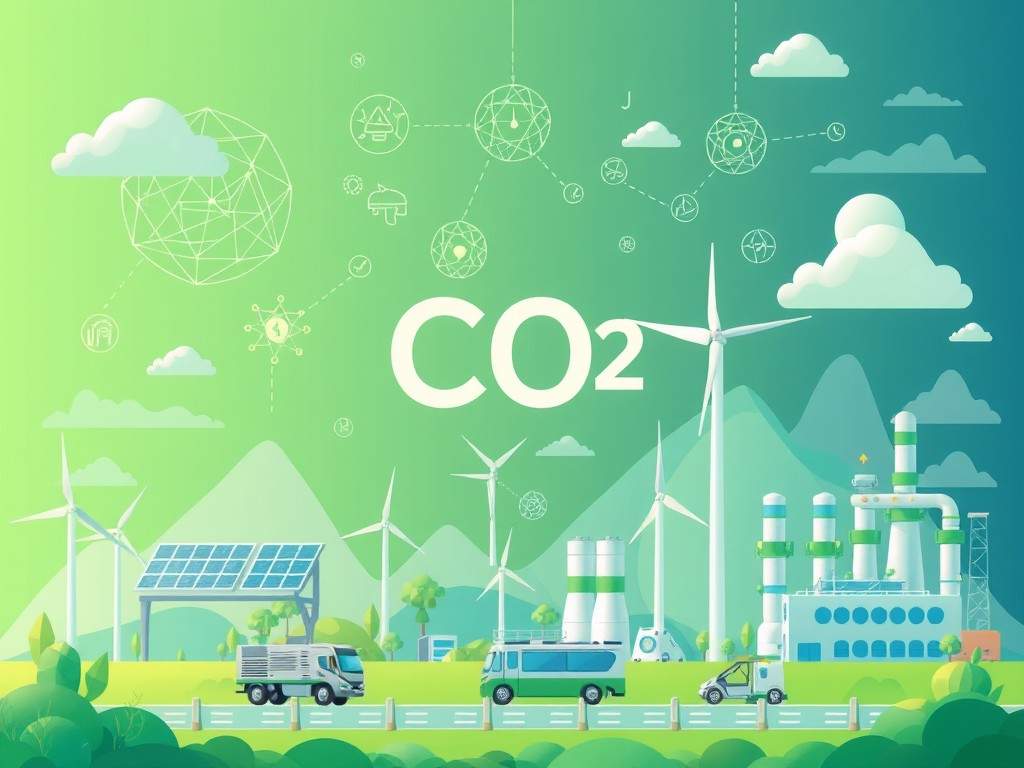
Reducing greenhouse gas emissions, especially carbon dioxide (CO&sub2;), has become a top concern as the globe struggles with climate change. In a variety of industries, artificial intelligence (AI) provides creative answers to this problem.
The main source of carbon dioxide emissions is the burning of fossil fuels for energy production, transportation, and industrial operations. Finding practical ways to cut CO&sub2; emissions is essential to addressing climate change as the world’s energy and transportation needs continue to grow.
AI optimizes energy use in buildings, industries, and transportation by analyzing real-time data and maximizing renewable energy allocation.
AI-powered route optimization, autonomous vehicles, and traffic management drastically cut fuel consumption and emissions.
Predictive maintenance and process optimization reduce waste, energy use, and excessive emissions from malfunctioning equipment.
Precision agriculture optimizes crop management and irrigation, while AI identifies best strategies for carbon sequestration.
AI can optimize energy use in transportation networks, industries, and buildings. AI systems can modify energy usage patterns by evaluating real-time data, which lowers emissions and needless consumption. Smart networks powered by AI can predict energy use and maximize the allocation of renewable energy sources such as solar and wind power.
AI has the potential to drastically cut emissions in the transportation industry by optimizing routes, enhancing vehicle performance, and improving traffic management. AI-powered navigation systems may recommend the most effective routes, reducing CO&sub2; emissions and fuel use. Self-driving technology can enhance fuel economy, minimize idle time, and optimize travel patterns.
AI has the potential to completely transform industrial and manufacturing processes by cutting waste and improving operations. Predictive maintenance ensures machinery runs effectively and avoids excessive emissions from malfunctioning equipment. AI systems may examine manufacturing procedures to cut down on waste and energy use.
Precision agriculture powered by AI can optimize crop management, fertilizer use, and irrigation, lessening the negative environmental effects of agricultural operations. AI can also assist in determining the best land use strategies for sequestering carbon, improving the capacity to absorb CO&sub2; from the atmosphere.
AI can improve the efficiency of carbon capture devices by streamlining the procedures for absorbing and storing CO&sub2; emissions from industrial sources. AI may examine data from carbon capture systems to find possible leaks in storage facilities and increase the systems’ efficiency.
AI technology is a potent weapon in the battle against climate change, providing creative ways to cut carbon dioxide emissions in a variety of industries — from smart cities to energy providers and transportation companies.
There are obstacles even though AI offers a lot of potential for lowering emissions. It is necessary to handle data privacy, the requirement for a strong infrastructure, and the possibility of significant energy consumption in AI systems. Furthermore, for all communities to profit from these developments, fair access to AI technologies is necessary.
AI technology is a potent weapon in the battle against climate change, providing creative ways to cut carbon dioxide emissions in a variety of industries. AI has the potential to significantly contribute to the development of a sustainable future by streamlining industrial operations, boosting transportation efficiency, and optimizing energy management. A healthier planet is possible as long as governments and businesses keep investing in AI, which has the potential to reduce emissions significantly.
Mr. Mohamed Abdulhameed
Gulf University
Last Updated: 09 Apr 2026