
February 22, 2025
Paving the Future: Sustainable Concrete Paver Blocks from Recycled Materials
Ms. Ameera Hydrose

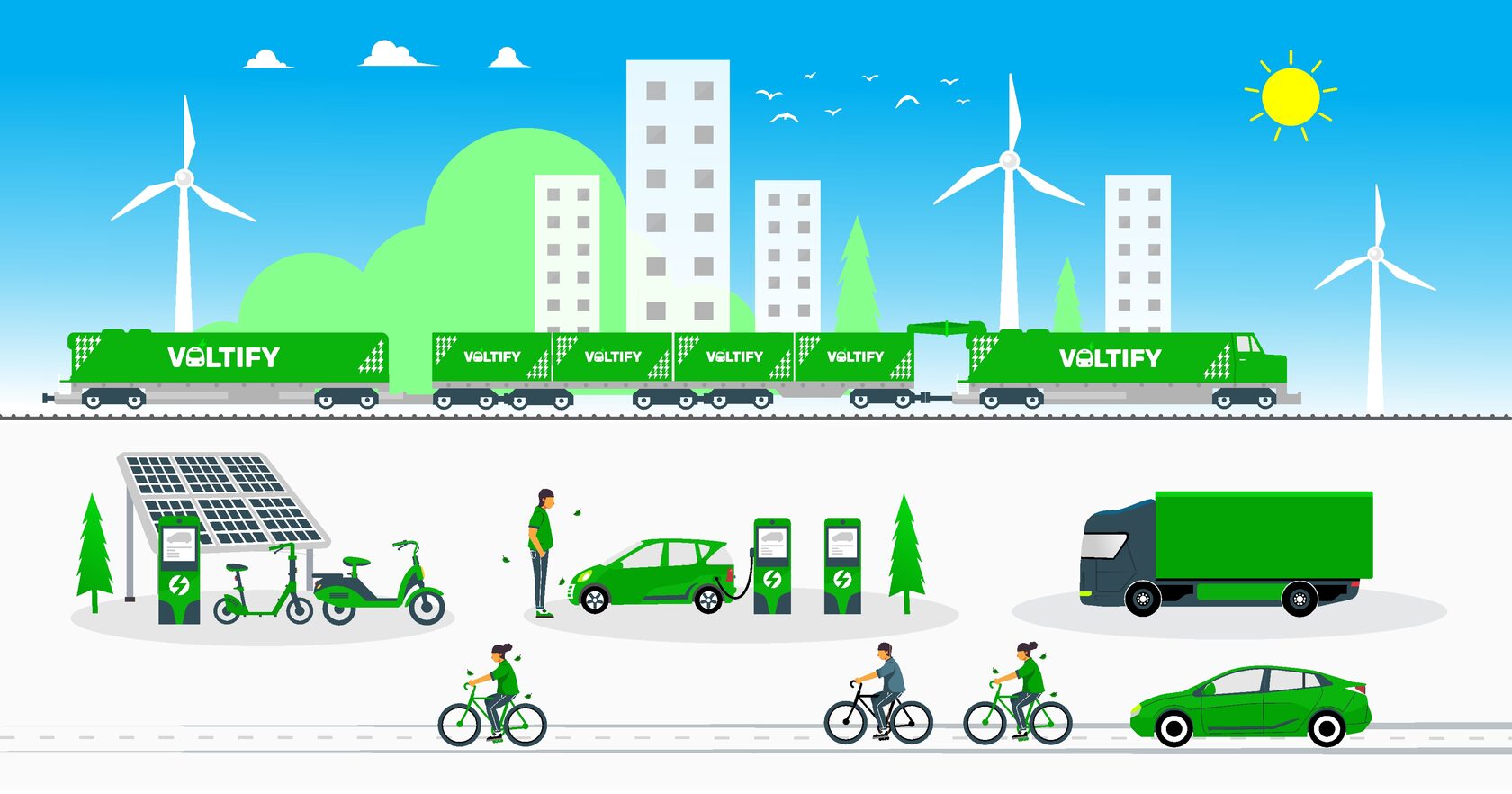
In connection with Sustainable Week at Gulf University, urban areas around the world face growing challenges in transportation and mobility. How can cities build greener, more efficient systems?
Urban centers worldwide face mounting pressure to develop transportation systems that balance efficiency with environmental responsibility. As metropolitan areas expand and populations increase, demand for accessible, eco-friendly mobility solutions becomes increasingly urgent. Sustainable transportation is no longer a luxury but a necessity for the health and viability of modern cities.
Public transportation serves as a fundamental component of sustainable urban mobility. By reducing dependence on private vehicles, cities can meaningfully decrease emissions and improve traffic conditions. Modern systems like Bus Rapid Transit (BRT) and Light Rail Transit (LRT) offer efficient alternatives to private car usage, with real-time technology and smart payment systems enhancing user experience and accessibility.
London's Oyster Card demonstrates how contactless payment systems can increase public transport accessibility and ridership, serving as a model for cities worldwide seeking to modernize their transit infrastructure.
Walking and cycling represent the most environmentally beneficial transportation modes, producing zero emissions while promoting physical health. Cities should develop dedicated cycling infrastructure—bike lanes, sharing programs, and secure parking—to encourage these alternatives for short-distance trips. The benefits extend beyond environmental impact to include improved public health outcomes and reduced healthcare costs.
Significant barriers exist, primarily the substantial upfront costs for infrastructure development. Building new transit lines, dedicated bike lanes, and pedestrian-friendly zones requires major capital investment. However, long-term advantages include improved public health, reduced congestion, lower emissions, and enhanced quality of life. Community awareness campaigns and private sector partnerships can help address financial obstacles and build public support for sustainable transportation initiatives.
Sustainable transportation represents more than congestion relief—it's fundamentally about creating healthier, more resilient urban futures through strategic investment, community engagement, and collaborative approaches across sectors. As Gulf University emphasizes during its Sustainable Week, every step toward greener mobility is a step toward a more livable world.
Dr. Osama Al Rawi
College of Engineering, Gulf University
Last Updated: 09 Apr 2026