January 24, 2025
Utilizing AI Technology to Reduce Emissions, Especially Carbon Dioxide (CO₂)
Mr. Mohamed Abdulhameed

Bahrain’s Vision 2030 represents an ambitious framework aimed at establishing a sustainable and diversified economy, with environmental stewardship as a fundamental priority. A key objective of this vision is the attainment of zero carbon dioxide (CO&sub2;) emissions, fostering a cleaner and healthier environment for future generations.
Bahrain is especially susceptible to the negative consequences of climate change, such as increasing sea levels, desertification, and extreme weather events, because it is an island nation. To protect the environment, promote economic resilience, and satisfy Bahrain’s international obligations under the Paris Agreement, CO&sub2; emissions must be reduced.
Bahrain is well-positioned to take advantage of artificial intelligence’s potential to address carbon emissions as it transforms sectors globally. Bahrain can hasten its transition to carbon neutrality by incorporating artificial intelligence (AI) into the foundation of sustainability programs.
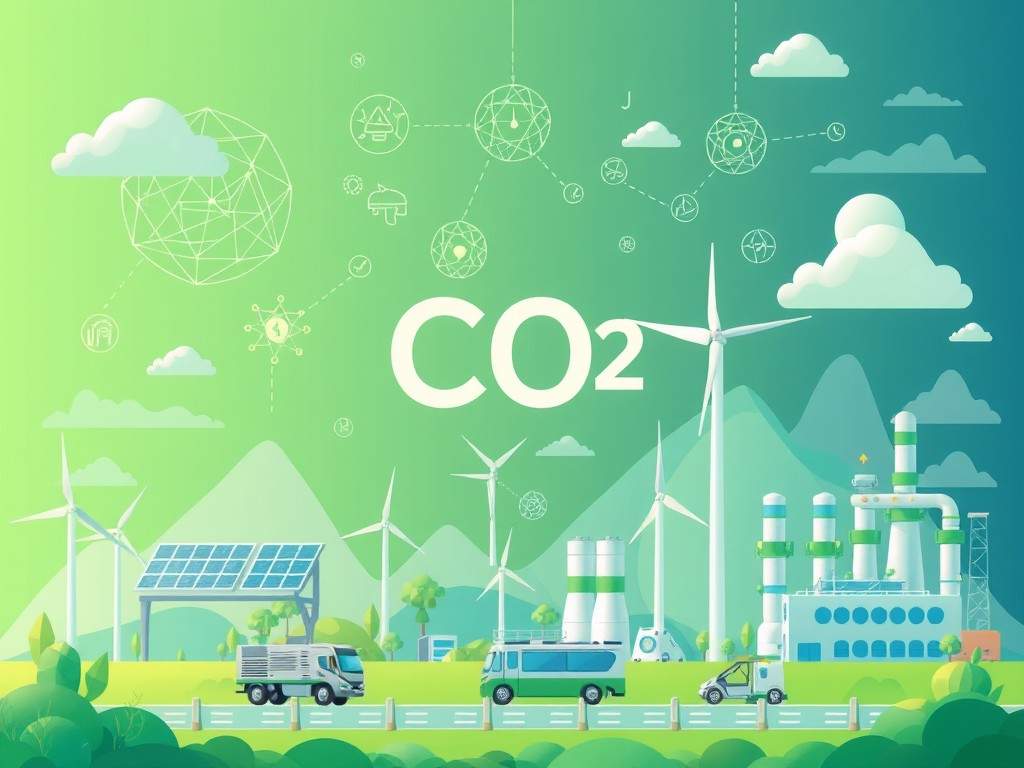
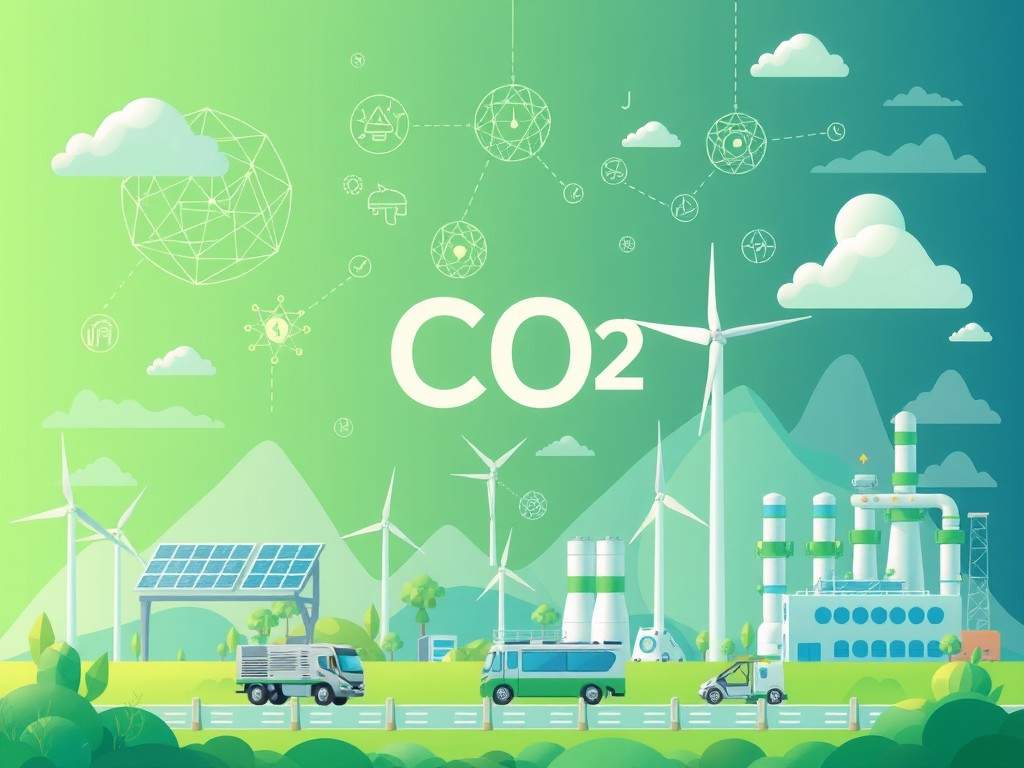
AI-powered systems optimize energy efficiency, minimize waste, and use predictive analytics to balance the grid and manage energy storage.
Machine learning algorithms anticipate weather patterns, recognize maintenance needs, and increase energy output for solar and wind projects.
AI enables smart traffic management, optimizes public transport routes, and promotes EV adoption with strategic charging station placement.
AI monitors and reduces emissions in real-time, optimizes waste management, and creates energy-efficient buildings with automated systems.
Sustainable agriculture and efficient water usage are critical to reducing Bahrain’s overall carbon footprint. AI can optimize irrigation systems, reduce water wastage, and promote precision farming techniques that use fewer resources while maximizing yield.
Although achieving carbon zero is a difficult path, Bahrain can make it attainable and motivating with AI as a partner. Technology and willpower can help Bahrain achieve wealth, resilience, and environmental stewardship in the future.
Bahrain’s Vision 2030 signifies a revolutionary change in the direction of economic diversification and sustainability. Bahrain can become a leader in sustainable and creative development by adopting AI and accelerating its efforts to reach carbon neutrality. Technology and willpower can help Bahrain achieve wealth, resilience, and environmental stewardship in the future. Although achieving carbon zero is a difficult path, Bahrain can make it attainable and motivating with AI as a partner.
Mr. Mohamed Abdulhameed
Gulf University
Last Updated: 09 Apr 2026
