March 31, 2026
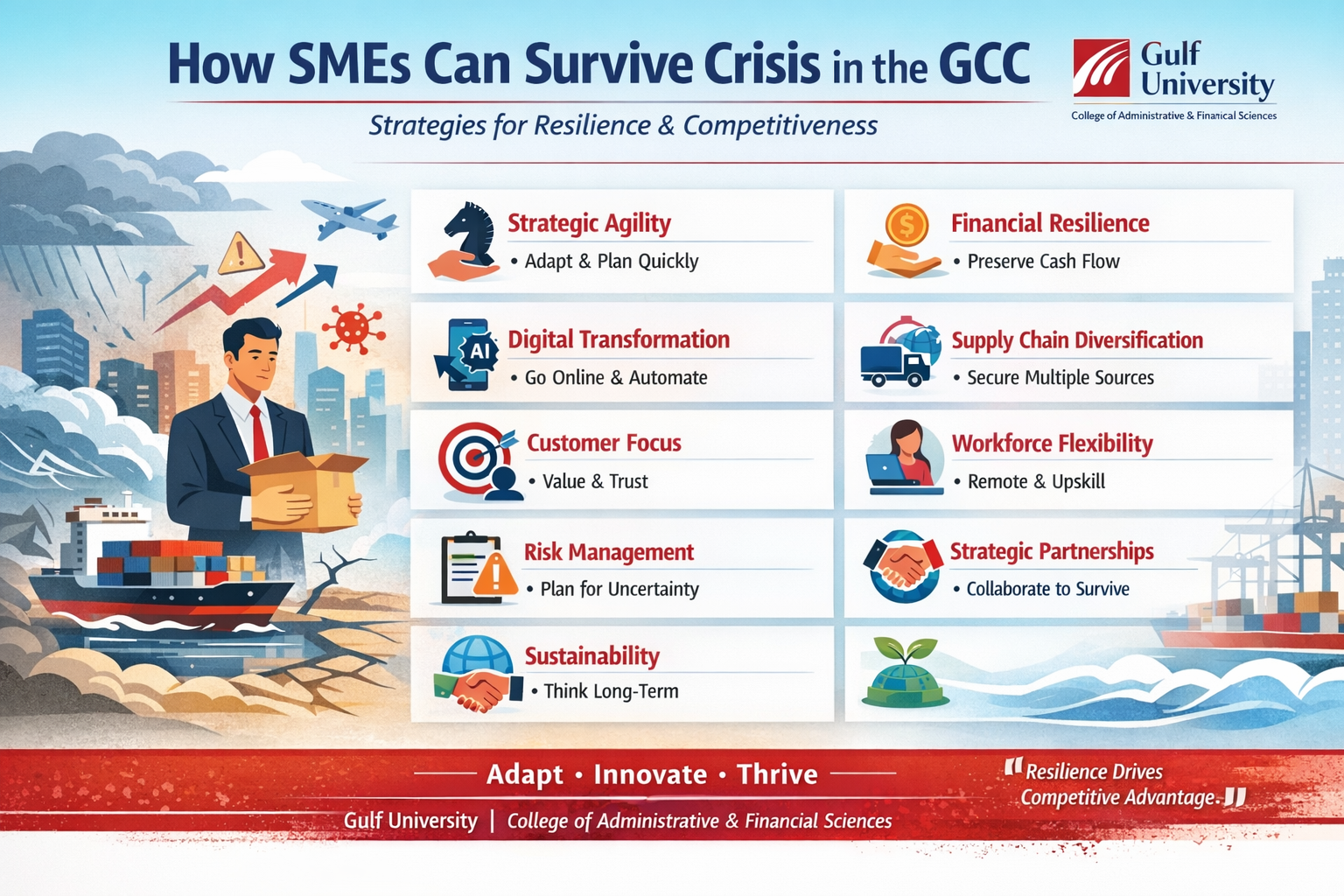
How SMEs Can Survive Crisis in the GCC: A Strategic Perspective
Dr. Siddig Balal Ibrahim

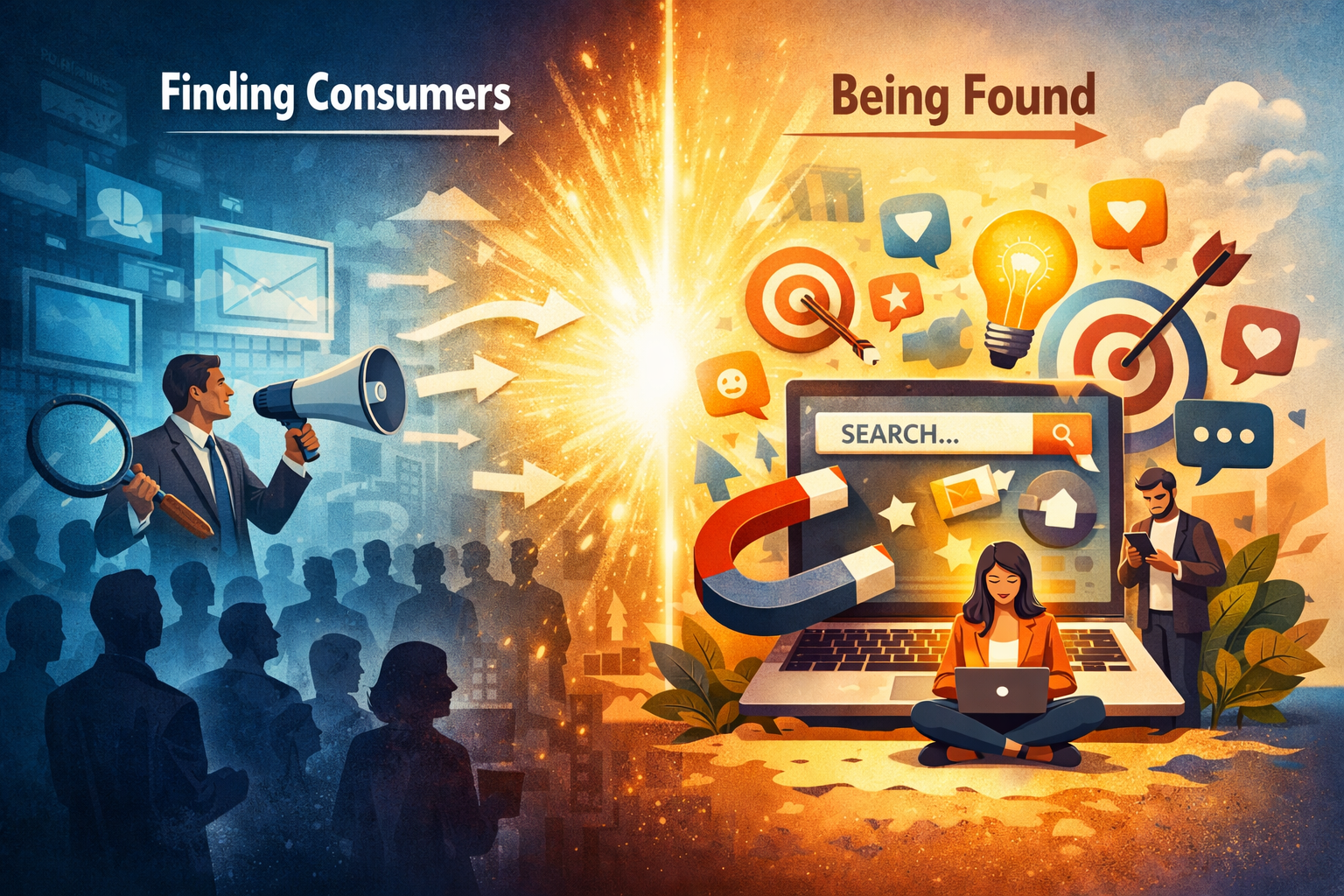
Discover how the shift from traditional marketing to the attention economy is redefining how organizations attract and engage audiences.
In today’s rapidly evolving digital marketing landscape, marketing is undergoing a profound paradigm shift. Traditionally, marketing efforts were centered on finding consumers—relying heavily on outbound strategies such as television advertising, cold calls, and mass promotions. These approaches were largely interruptive, aiming to capture attention by placing messages directly in front of audiences, often with limited personalization or engagement.
However, the rise of digital transformation in marketing has completely reshaped this dynamic. We are now operating within what is widely recognized as the attention economy—a context where human attention is scarce, valuable, and highly competitive. In this environment, consumers are no longer passive recipients of marketing messages; instead, they actively search, evaluate, and engage with brands online. As a result, the focus of modern marketing has shifted from chasing customers to being found through SEO, content marketing, and social media engagement.
This transformation has significant implications for organizations, including higher education institutions in Bahrain and the GCC. Being found requires more than visibility—it demands relevance, credibility, and value. Universities and businesses must invest in search engine optimization (SEO), develop high-quality content marketing strategies, and maintain an active presence on digital platforms. The goal is not only to attract attention but to earn and sustain it by providing meaningful, informative, and engaging content.
Moreover, this shift reflects a deeper philosophical transformation in marketing practice. It marks a transition from traditional marketing to digital marketing, from broadcasting to engaging, and from transactional interactions to long-term relationships. In the attention-driven digital economy, success depends on how effectively organizations connect with their audience, build trust, and deliver value.
For institutions like Gulf University, embracing this paradigm is essential to strengthening student recruitment strategies, enhancing online visibility, and positioning the university as a leader in innovative education and digital engagement.
The future of marketing lies not in finding consumers, but in creating the conditions that allow consumers to find you. The key question is: Is your organization ready to be found in the digital age?
Dr. Siddig Balal Ibrahim
Dean, College of Administrative and Financial Sciences, Gulf University
Last Updated: 09 Apr 2026