March 31, 2026
Artificial Intelligence in Human Resource Management
Dr. Ali Ateeq

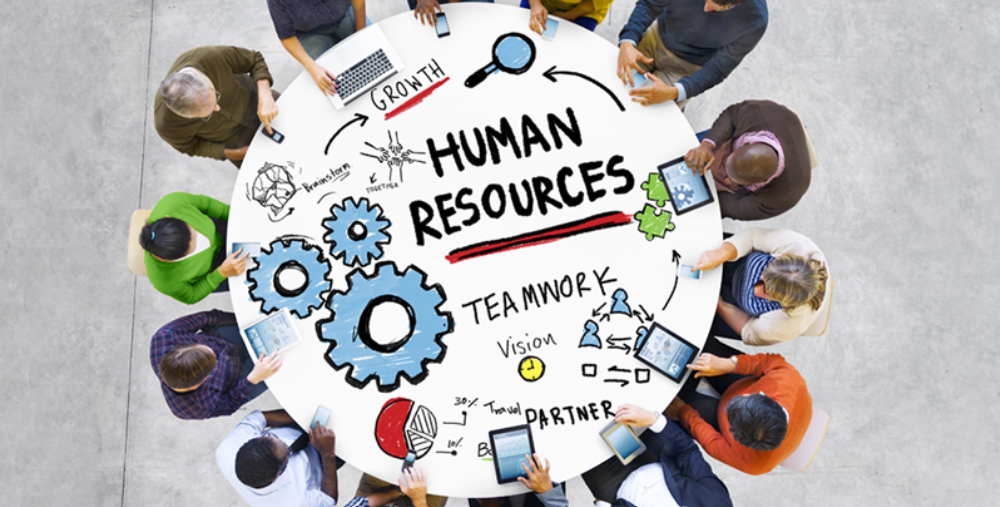
Discover how Human Resources has evolved from an administrative function into a strategic partner driving organizational success and sustainable growth.
The role of Human Resources in leading organizations has undergone a fundamental transformation. No longer confined to administrative tasks such as payroll processing and compliance management, HR has emerged as a strategic partner at the highest levels of organizational leadership. Today’s HR professionals are expected to drive business outcomes, shape organizational culture, and build the workforce capabilities needed to compete in an increasingly complex and dynamic environment.
Strategic workforce planning is at the heart of modern HR practice. Rather than simply filling vacancies as they arise, leading organizations take a forward-looking approach to talent management, aligning workforce capabilities with long-term business strategy. This involves analyzing future skill requirements, identifying talent gaps, and developing proactive recruitment, development, and retention strategies.
HR leaders now sit at the strategy table, contributing insights on labor market trends, demographic shifts, and emerging skill requirements that directly inform business planning. By integrating workforce analytics with strategic decision-making, HR ensures that the organization has the right people with the right skills at the right time.
Culture is increasingly recognized as a critical competitive advantage, and HR plays a central role in defining, nurturing, and evolving organizational culture. From establishing core values and behavioral expectations to designing recognition programs and communication strategies, HR professionals are the architects of the employee experience.
In leading organizations, culture is not left to chance—it is intentionally designed and actively managed. HR teams conduct regular culture assessments, gather employee feedback, and implement initiatives that reinforce desired behaviors and address cultural gaps. A strong, positive culture drives engagement, attracts top talent, and supports organizational resilience during periods of change.
In an era of rapid technological change and evolving skill requirements, continuous learning has become a strategic imperative. Leading organizations invest heavily in employee development, offering structured learning pathways, mentorship programs, and access to cutting-edge training resources. HR is responsible for identifying skill gaps, curating learning content, and creating a culture that values and rewards continuous professional growth.
The shift from periodic training events to continuous, on-demand learning reflects the accelerating pace of change in the modern workplace. AI-powered learning platforms, micro-learning modules, and peer-to-peer knowledge sharing are among the tools that HR teams deploy to ensure that employees remain current and capable.
Traditional performance management systems based on annual reviews and rigid rating scales are giving way to more agile, continuous feedback models. Leading organizations are replacing outdated appraisal processes with regular check-ins, real-time feedback, and goal-setting frameworks that align individual contributions with organizational objectives.
This transformation reflects a deeper understanding that performance is best managed as an ongoing conversation rather than an annual event. By fostering a culture of continuous feedback and coaching, HR enables managers and employees to address performance issues proactively and celebrate achievements in a timely manner.
Diversity, equity, and inclusion (DEI) have moved from aspirational goals to strategic priorities in leading organizations. HR is responsible for developing and implementing DEI strategies that go beyond compliance to create genuinely inclusive workplaces where diverse perspectives are valued and leveraged. This includes addressing systemic barriers in recruitment, promotion, and compensation practices, as well as fostering psychological safety and belonging.
Research consistently demonstrates that diverse teams outperform homogeneous ones, bringing broader perspectives, more creative problem-solving, and better decision-making. Strategic HR ensures that DEI is embedded in every aspect of the employee lifecycle, from talent acquisition to leadership development.
Employee wellbeing has become a central concern for HR in leading organizations. Beyond traditional benefits programs, modern wellbeing strategies encompass physical health, mental health, financial wellness, and social connection. The recognition that employee wellbeing directly impacts engagement, productivity, and retention has elevated it from a nice-to-have to a business-critical priority.
HR teams are designing comprehensive wellbeing programs that address the whole person, incorporating flexible work arrangements, mental health support, stress management resources, and initiatives that promote work-life integration. The most effective programs are data-driven, personalized, and continuously refined based on employee feedback.
In a rapidly changing business environment, organizational agility is essential for sustained success. HR plays a critical role in building agile organizations by designing flexible structures, fostering adaptive leadership, and leveraging technology to enhance operational efficiency. HR technology platforms—from applicant tracking systems to AI-powered analytics tools—enable data-driven decision-making and streamline HR processes.
The integration of technology into HR practice is not about replacing the human element but about augmenting it. By automating routine tasks and leveraging data analytics, HR professionals can focus their expertise on strategic initiatives that require judgment, empathy, and creativity.
The evolution of HR from an administrative function to a strategic leadership capability represents one of the most significant shifts in organizational management. Leading organizations recognize that their people are their most valuable asset, and they invest in HR capabilities accordingly.
Strategic HR is no longer a support function—it is a core leadership capability that drives organizational success, shapes culture, and builds the workforce of the future.
Ms. Sara Almeer
Gulf University
Last Updated: 09 Apr 2026