
March 31, 2026
How Artificial Intelligence Is Redefining the Role of Accountants in 2026
Dr. Mujeeb Saif


Explore how corporate governance factors like board composition, audit committees, and foreign ownership impact firm performance in emerging markets.
Corporate scandals like Enron, WorldCom, and India’s Satyam case have highlighted the critical importance of strong corporate governance. Businesses today are under increasing pressure to maintain transparency, accountability, and ethical leadership.
But what truly drives firm performance? Is it board size, independent directors, or foreign investors?
This article explores how corporate governance mechanisms—such as board composition, audit committee attributes, and foreign ownership—collectively influence firm performance, especially in emerging markets like India.
Corporate governance refers to the system of rules, practices, and processes by which companies are directed and controlled. Strong governance helps:
According to the study, governance failures often stem from weak regulatory frameworks and poor monitoring systems.
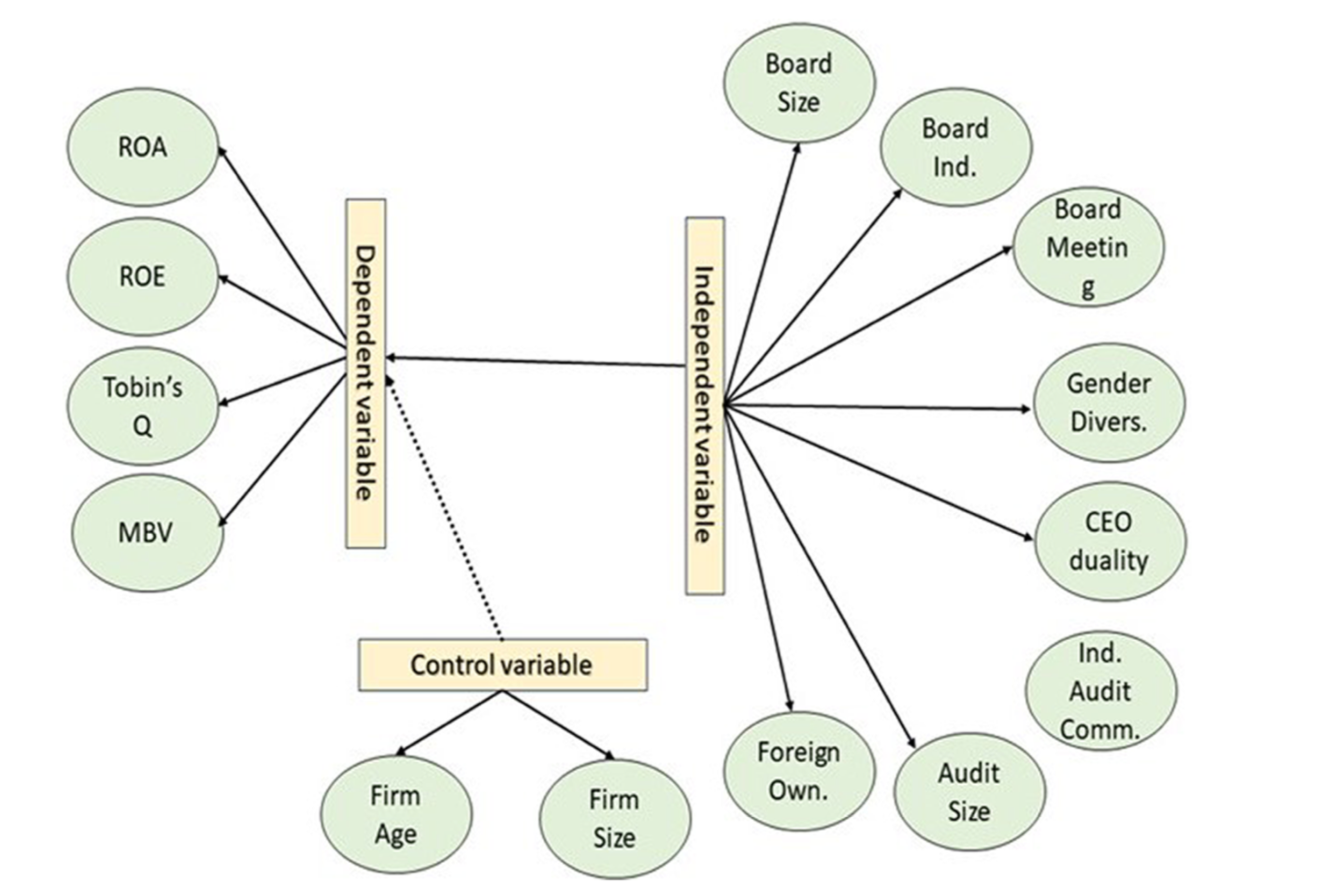
Larger boards often lead to coordination issues and slower decision-making. The study found a negative relationship between board size and firm performance, indicating that leaner boards tend to perform better.
Independent directors act as watchdogs, ensuring management aligns with shareholder interests. The research shows a positive association between board independence and firm performance.
Diverse boards bring varied perspectives, leading to better decisions. Firms with gender-diverse boards demonstrated stronger financial performance.
Regular board meetings enhance governance quality through faster response to challenges, improved strategic planning, and stronger oversight.
CEO duality occurs when one person holds both CEO and Chairperson roles. The findings suggest a positive but complex relationship with performance, depending on context.
Foreign investors often bring advanced governance practices, better monitoring, and global expertise. The study confirms a positive link between foreign ownership and firm performance.
A well-sized audit committee improves financial reporting quality, internal controls, and risk management. The research shows a positive relationship between audit committee size and firm performance.
Interestingly, the study found that independent audit committees may become overly conservative, which can limit strategic risk-taking, resulting in a negative association with firm performance in some cases.
Based on the empirical analysis of BSE 100 companies (2013–2022):
Practical implications from this analysis are highly relevant for businesses, policymakers, and investors alike. For companies, improving governance structures can significantly enhance performance and decision-making. One key approach is optimizing board size to ensure faster and more efficient decisions, avoiding unnecessary delays that often come with overly large boards. In addition, promoting gender diversity in leadership is essential, as diverse perspectives can lead to better strategic outcomes and innovation. Strengthening audit committees is another critical step, as it enhances transparency, accountability, and overall financial oversight within the organization.
For policymakers, there is an important role in shaping an environment that supports strong corporate governance. Encouraging diversity regulations can help ensure more balanced and inclusive leadership across industries. At the same time, creating incentives for foreign investment can bring in global expertise, improve competitiveness, and strengthen economic growth. Policymakers should also focus on enhancing governance frameworks to ensure that companies operate with high standards of accountability, transparency, and ethical practices.
From an investor’s perspective, governance quality should be a key factor when evaluating potential investments. Investors are increasingly looking for companies that demonstrate strong governance characteristics, such as having diverse boards, independent directors, and a degree of foreign ownership. These factors are often associated with better risk management, improved performance, and long-term sustainability, making them attractive indicators for informed investment decisions. These are strong indicators of long-term performance.
Corporate governance is no longer just a regulatory requirement—it’s a strategic driver of business success. This study clearly shows that the right combination of board structure, audit committee effectiveness, and foreign ownership can significantly enhance firm performance.
Quality of governance matters more than quantity. Organizations that embrace efficient boards, diversity, and transparency are better positioned to thrive in today’s competitive landscape. If you’re a business leader or investor, start evaluating governance structures today—because better governance leads to better performance.
Dr. Mujeeb Saif
Gulf University
Last Updated: 09 Apr 2026