March 26, 2026
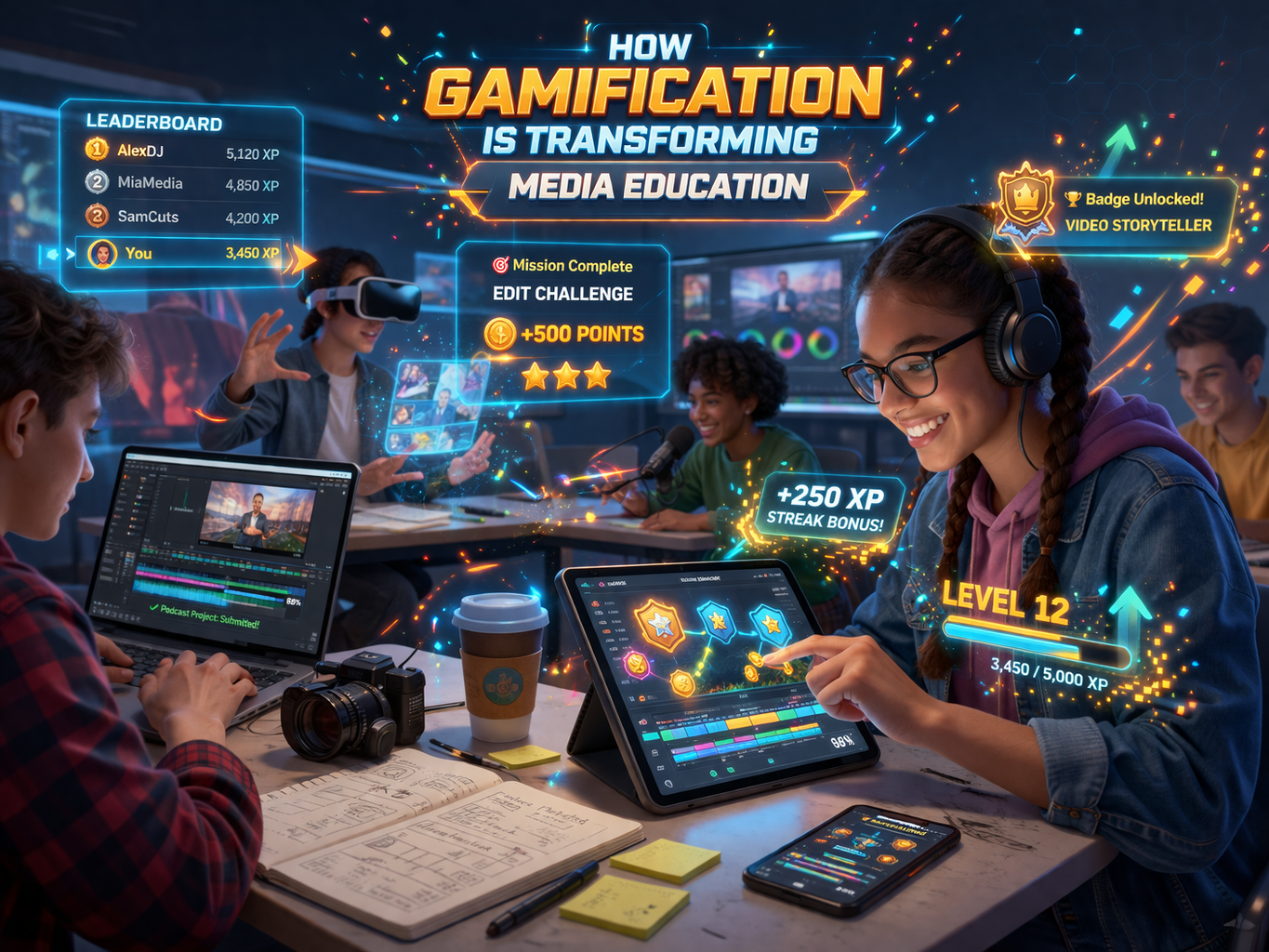
From Passive Learners to Media Innovators: How Gamification Is Revolutionizing Media Education
Dr. Naglaa Elgammal


Why AI Can’t Replace Human Emotion in Video Production: The Truth Behind Authentic Storytelling. Discover why AI in video production can’t replace human emotion, and how authentic storytelling remains the key to engaging and impactful content.
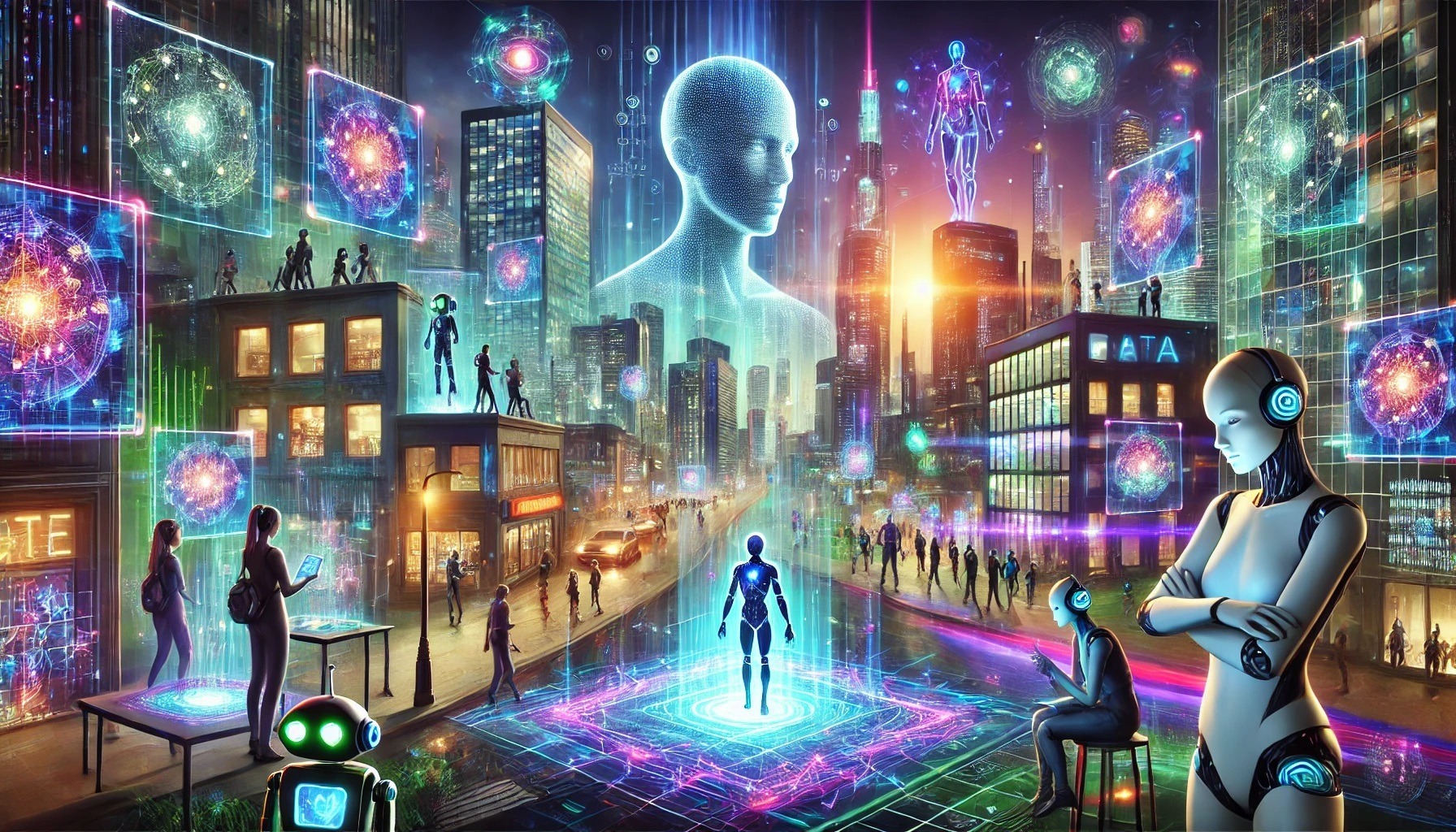
Artificial intelligence is transforming the video production landscape at an unprecedented pace. From automated editing and script generation to deepfake technology and virtual presenters, AI tools are reshaping how we create visual content. Yet amid this technological revolution, a fundamental question emerges: Can machines ever replicate the emotional intelligence that defines truly compelling storytelling? While AI offers remarkable efficiency and technical precision, the essence of video production—the ability to evoke genuine emotion, empathy, and human connection—remains uniquely within the domain of human creativity.
AI has made significant inroads across the video production pipeline. In pre-production, AI tools can analyze scripts, suggest shot compositions, and even generate storyboards. During production, intelligent cameras can track subjects automatically, while AI-powered lighting systems adjust in real time. In post-production, the impact is most visible: automated editing software can assemble rough cuts, color grading algorithms can match shots seamlessly, and audio enhancement tools can clean dialogue with minimal human intervention.
Platforms like Runway ML, Adobe Firefly, and various AI video generators now allow creators to produce content in hours that once required days. For corporate videos, social media content, and repetitive production tasks, AI delivers undeniable efficiency. It reduces costs, accelerates turnaround times, and democratizes access to professional-quality production tools.

Despite these advances, AI operates within fundamental constraints. Machine learning models are trained on existing data—they excel at patterns, replication, and optimization, but they do not experience the world. Creativity, at its core, emerges from lived experience, cultural context, and emotional depth. AI cannot feel joy, grief, anticipation, or nostalgia. It does not understand what it means to lose a loved one, celebrate a triumph, or witness injustice. Yet these are precisely the emotional touchpoints that powerful video content relies upon.
Consider a documentary filmmaker capturing a refugee’s story, or a brand commercial aiming to evoke warmth and trust. These moments require human judgment—knowing when to hold a shot an extra second, when silence speaks louder than words, when an unscripted moment carries more truth than a polished line. AI can analyze data patterns, but it cannot read the subtle emotional energy in a room or recognize the spontaneous gesture that transforms a scene from competent to unforgettable.
The legitimate strengths of AI in video production lie in areas where human creativity is less critical. For businesses producing large volumes of standardized content—product demos, corporate training videos, localized advertising—AI offers remarkable value. Automated translation and dubbing enable global reach. AI-driven analytics can optimize video length, thumbnail selection, and content structure based on viewer engagement data. For independent creators with limited budgets, AI tools provide entry points previously reserved for major studios.
Additionally, AI serves as an exceptional assistant to human creators. It can handle tedious tasks like logging footage, syncing audio, and creating transcripts, freeing creative professionals to focus on storytelling, direction, and emotional resonance. In this sense, AI functions not as a replacement but as an enabler—amplifying human potential rather than supplanting it.
Automated editing, script analysis, color grading, audio enhancement, and accelerated turnaround for standardized content.
Emotional intelligence, cultural context, authentic storytelling, spontaneous creativity, and genuine empathy.
Handles tedious tasks like logging footage, syncing audio, and transcripts—freeing creators for storytelling.
The most successful producers will master collaboration with AI—combining technical efficiency with creative direction.
The most memorable videos—whether cinematic masterpieces, viral social campaigns, or impactful documentaries—share one common element: they make us feel. Emotion is the currency of compelling content. Trust, humor, inspiration, sorrow, hope—these are not data points to be optimized but experiences to be shared. A machine can simulate a tear, but it cannot genuinely grieve. It can compose a heartwarming scene based on successful templates, but it cannot draw from personal vulnerability to create authenticity.

Audiences are increasingly discerning. They detect inauthenticity. Content generated solely by algorithms often feels hollow, predictable, or emotionally flat. The human touch—imperfect, nuanced, and deeply personal—is what transforms information into storytelling. It is what builds brand loyalty, inspires social change, and creates cultural moments that resonate across generations.
Looking forward, the most successful video producers will be those who master the art of collaboration with AI—not those who resist it or rely on it exclusively. The future lies in hybrid workflows where AI handles technical complexity and repetitive tasks while humans provide creative direction, emotional intelligence, and ethical judgment. This partnership allows for greater experimentation, faster iteration, and more ambitious projects.
Emerging roles will reflect this synthesis: AI-assisted editors who leverage machine learning for efficiency while making final creative decisions; producers who use predictive analytics to understand audience preferences while maintaining artistic integrity; storytellers who use generative tools for inspiration while grounding narratives in authentic human experience.
As AI continues to evolve, the video production industry must remain anchored in the principle that technology serves storytelling—not the reverse. The algorithms, tools, and platforms we adopt should ultimately amplify human creativity, not diminish it. The emotional resonance that defines powerful video content is not a feature to be automated but a distinctly human gift to be cultivated.
For aspiring media professionals, this means embracing AI as a powerful tool while doubling down on the skills that machines cannot replicate: empathy, critical thinking, cultural awareness, and authentic self-expression. For educators and institutions, it means preparing students to navigate this hybrid landscape with both technical fluency and unwavering commitment to human-centered storytelling.
In the end, audiences will always seek connection. And connection, in all its complexity, remains profoundly, beautifully, and irreplaceably human.
In the end, audiences will always seek connection. And connection, in all its complexity, remains profoundly, beautifully, and irreplaceably human.
Dr. Naglaa Elgammal
College of Communication and Media Technologies — Gulf University
Last Updated: 09 Apr 2026