
When Electrical Engineering Meets Artificial Intelligence: Are We Teaching Students for the Power Systems of Tomorrow?
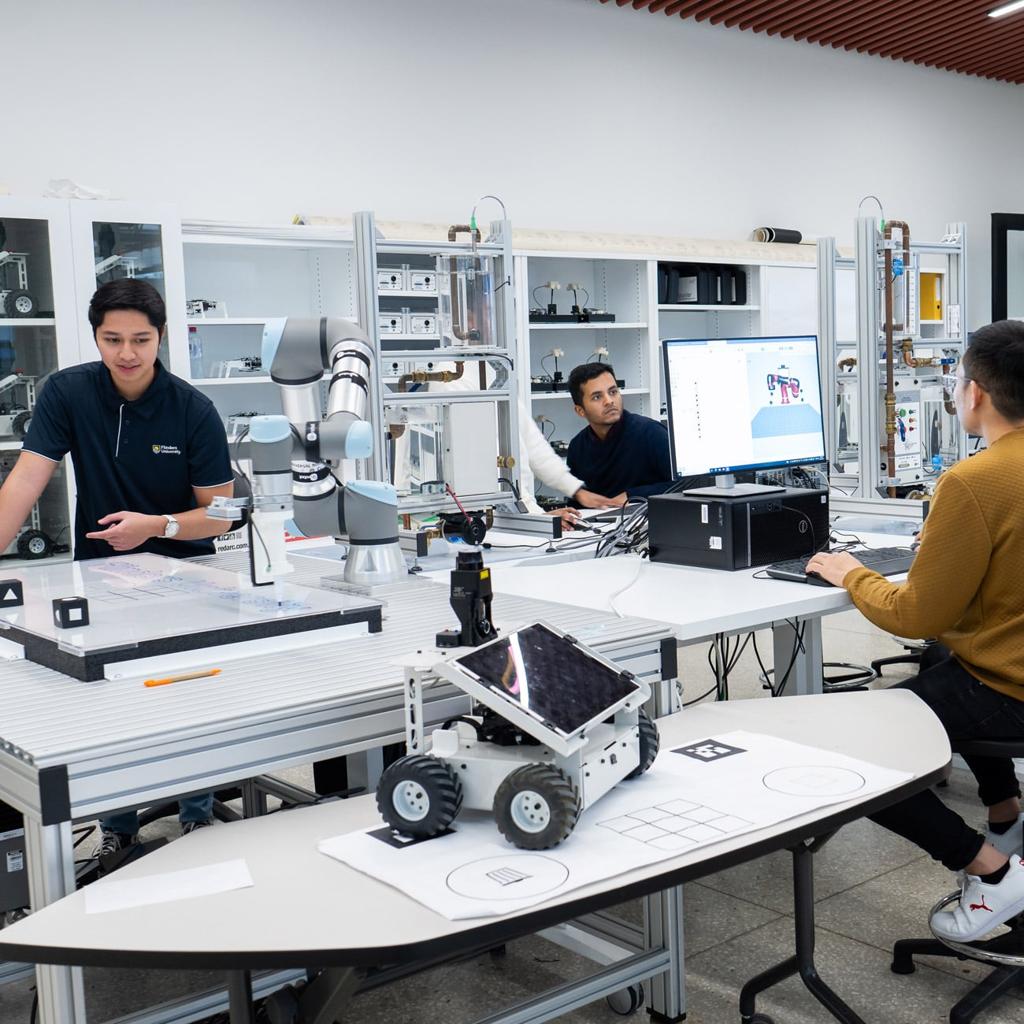
Explore how Artificial Intelligence is transforming electrical engineering education, reshaping power systems, smart grids, and university learning for the engineers of the future.
A New Current Running Through Engineering Education
Electrical engineering has always been the backbone of modern civilization—powering industries, cities, transportation systems, and digital infrastructure. From classical circuit theory to large-scale power systems, the discipline has continuously evolved with technological progress.
Today, however, a new force is accelerating this evolution at an unprecedented pace: Artificial Intelligence (AI).
AI is no longer an external tool in electrical engineering—it is becoming deeply embedded in how systems are designed, operated, and optimized. From smart grids that self-balance energy loads to predictive maintenance systems in power plants, intelligence is now built into the very fabric of electrical systems.
This raises a critical question for higher education:
Are we preparing electrical engineering students for an AI-driven energy and technology future—or for the past?
From Traditional Power Systems to Intelligent Energy Networks
Traditional electrical engineering education has long focused on foundational concepts such as circuit analysis, electromagnetic theory, machines, and power systems. These remain essential, but they are no longer sufficient on their own.
Modern electrical systems are increasingly:
- Data-driven
- Automated
- Interconnected
- AI-optimized
- Digitally monitored in real time
Smart grids, for example, use machine learning algorithms to predict energy demand, detect faults, and optimize distribution. Renewable energy systems rely on AI models to forecast solar and wind generation variability. Even electric vehicles depend on intelligent energy management systems.
As a result, the modern electrical engineer must now understand not only how systems work, but also how intelligence enhances system performance.
AI as a Transformational Force in Electrical Engineering
Artificial Intelligence is transforming electrical engineering in ways that were previously unimaginable.
In power systems, AI is used to:
- Predict equipment failures before they occur
- Optimize energy distribution across smart grids
- Detect anomalies in transmission networks
- Improve renewable energy forecasting accuracy
- Enhance stability and efficiency in large-scale systems
In control systems and electronics, AI enables:
- Adaptive system tuning
- Intelligent signal processing
- Automated fault detection
- Real-time system optimization
This shift is redefining the role of electrical engineers from traditional system designers to intelligent system architects who work at the intersection of hardware, software, and data science.
Reimagining Electrical Engineering Education
The integration of AI into electrical engineering demands a transformation in how the discipline is taught.
Universities can no longer rely solely on traditional lecture-based models. Instead, engineering education must evolve toward:
- Simulation-based learning
- Data-driven experimentation
- AI-assisted design projects
- Industry-linked problem solving
- Smart laboratory environments
Virtual power system simulators and AI-enabled design tools now allow students to explore real-world engineering scenarios without physical limitations. This creates a more interactive and applied learning experience.
Students are no longer just solving equations—they are training models, analyzing system behavior, and designing intelligent solutions for complex engineering problems.
The Rise of the Smart Engineering Classroom
The engineering classroom itself is becoming intelligent.
With the integration of AI tools and digital platforms, students can now:
- Visualize complex power systems in real time
- Use AI models to analyze circuit behavior
- Simulate renewable energy integration scenarios
- Receive personalized feedback on problem-solving approaches
This shift allows for a deeper understanding of engineering concepts by bridging the gap between theory and real-world application.
However, technology alone is not enough. The role of educators remains central in guiding students to think critically, evaluate AI-generated outputs, and apply engineering judgment effectively.
Why Human Thinking Still Matters in an AI-Powered Discipline
Despite the rapid rise of AI, electrical engineering remains fundamentally a discipline of human reasoning, creativity, and responsibility.
AI can analyze patterns, optimize systems, and generate predictions—but it cannot replace:
- Engineering judgment in safety-critical systems
- Ethical decision-making in energy distribution
- Creative problem-solving in system design
- Deep conceptual understanding of physical laws
The future engineer must therefore be both technologically fluent and intellectually grounded.
This balance is what universities must aim to develop: engineers who can collaborate with AI, not depend on it blindly.
Preparing Engineers for the Energy Systems of the Future
The global energy landscape is undergoing a massive transformation driven by renewable energy integration, electrification of transportation, and digitalization of infrastructure.
Future electrical engineers will work in environments characterized by:
- Smart cities
- Autonomous energy systems
- AI-managed power grids
- Sustainable energy ecosystems
- Real-time digital monitoring networks
To succeed in this environment, graduates must be equipped with:
- Strong fundamentals in electrical engineering
- Data literacy and AI understanding
- Programming and simulation skills
- Systems thinking
- Adaptability to emerging technologies
Universities that integrate AI into electrical engineering curricula are effectively preparing students for the future of global infrastructure.
Conclusion: Engineering Intelligence for an Intelligent World
The convergence of electrical engineering and Artificial Intelligence marks one of the most significant transformations in modern engineering education.
We are no longer training engineers to simply understand electrical systems—we are preparing them to design, manage, and improve intelligent systems that power the world.
As technology continues to evolve, so must education. Universities that embrace this transformation will not only stay relevant but will lead the future of engineering innovation.
In the end, the goal is not to replace electrical engineering with AI—but to elevate it into a discipline where intelligence, both human and artificial, work together to power the future.
Ms. Ambi Alex
Gulf University
Last Updated: 12 Jul 2026