April 11, 2026
How to Read a Volatile Market Without Panicking
Mr. Ali Husain Khamis

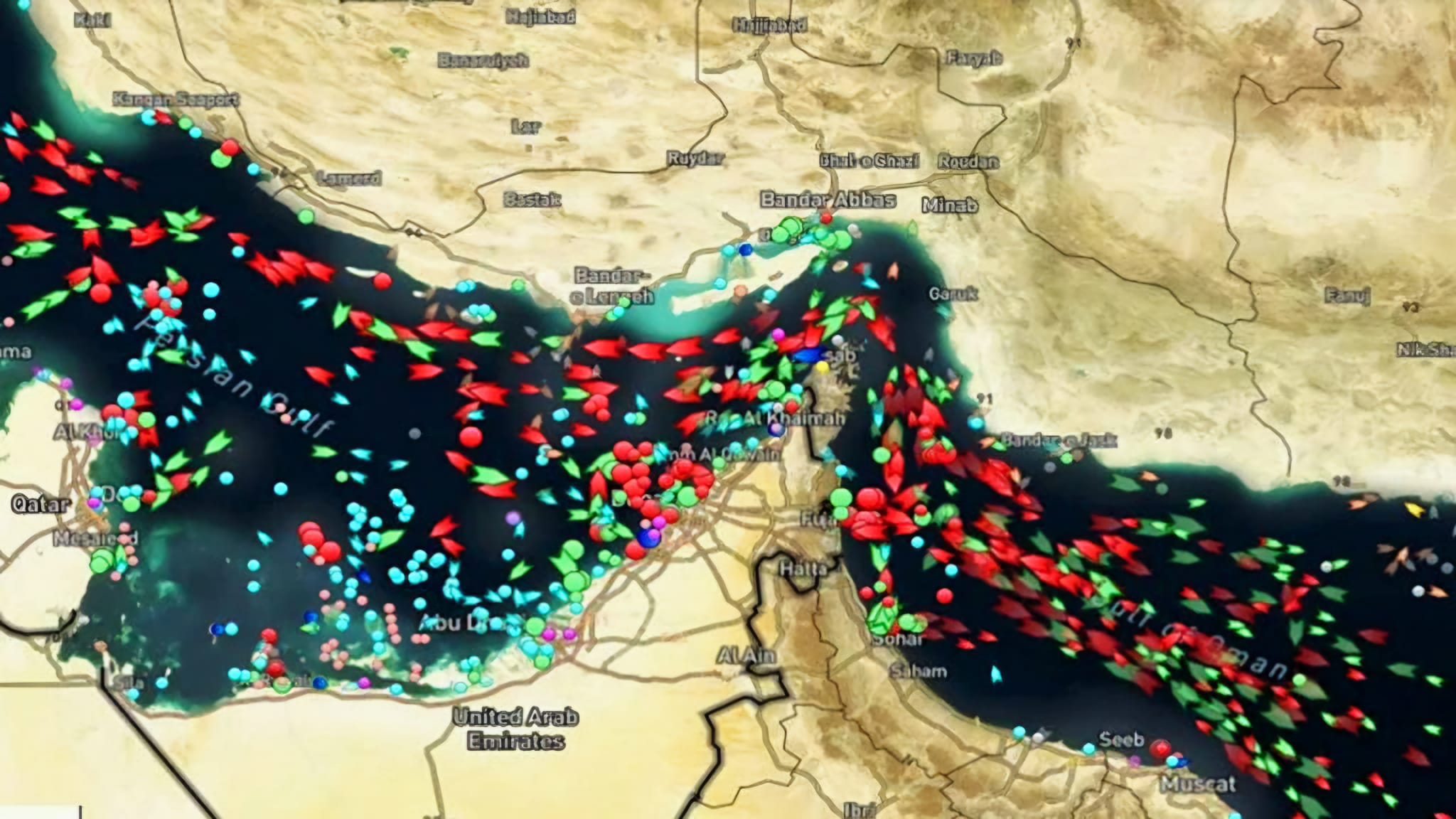
Understand the geopolitical and economic significance of the Strait of Hormuz, a critical maritime passage that carries nearly 20% of global oil trade.
The Strait of Hormuz stands as the most iconic and sensitive maritime passage in the global strategic balance. It is far more than a mere waterway; it is the "aorta" pumping the lifeblood of the international economy. Approximately one-fifth of global oil trade (about 20% of petroleum liquid supplies) flows through this narrow strait, and it serves as the sole route for the region’s massive Liquefied Natural Gas (LNG) exports, rendering it the "safety valve" of global energy.
Any disruption to the flow of movement through this passage—whether total or partial—would trigger seismic repercussions far beyond its geographical borders. Its impact would manifest in the following key areas:
The mere hint of closing the Strait sends waves of panic through futures markets. A disruption in flow creates a sharp gap between supply and demand. This imbalance does not only drive up crude oil prices but extends to all petroleum derivatives and gas, placing industrial and emerging economies alike in the face of runaway inflation that threatens global financial stability.
In the event of a crisis, global shipping companies find themselves facing "bitter choices," forced to navigate:
The impact is not confined to the energy sector but extends to global supply chains as a whole. Delays in the arrival of ships carrying raw materials and intermediate goods lead to:
The Strait of Hormuz remains a cornerstone of global economic stability, serving as a critical channel for energy and trade flows. As emphasized through insights from Gulf University, any disruption in this strategic passage has far-reaching consequences that extend beyond regional boundaries, affecting global markets, supply chains, and economic security.
In an increasingly interconnected world, safeguarding such vital corridors is not merely a regional responsibility but a global priority. Ensuring freedom of navigation, reducing geopolitical tensions, and strengthening international cooperation are essential steps toward maintaining stability. Ultimately, the future of global trade and energy security depends on the collective ability to protect and preserve these indispensable maritime lifelines.
Dr. Heba AlSaleh
Assistant Professor, Gulf University College of Law
Last Updated: 21 Apr 2026