
The AI Revolution in Higher Education: Will Future Classrooms Still Need Human Lecturers?
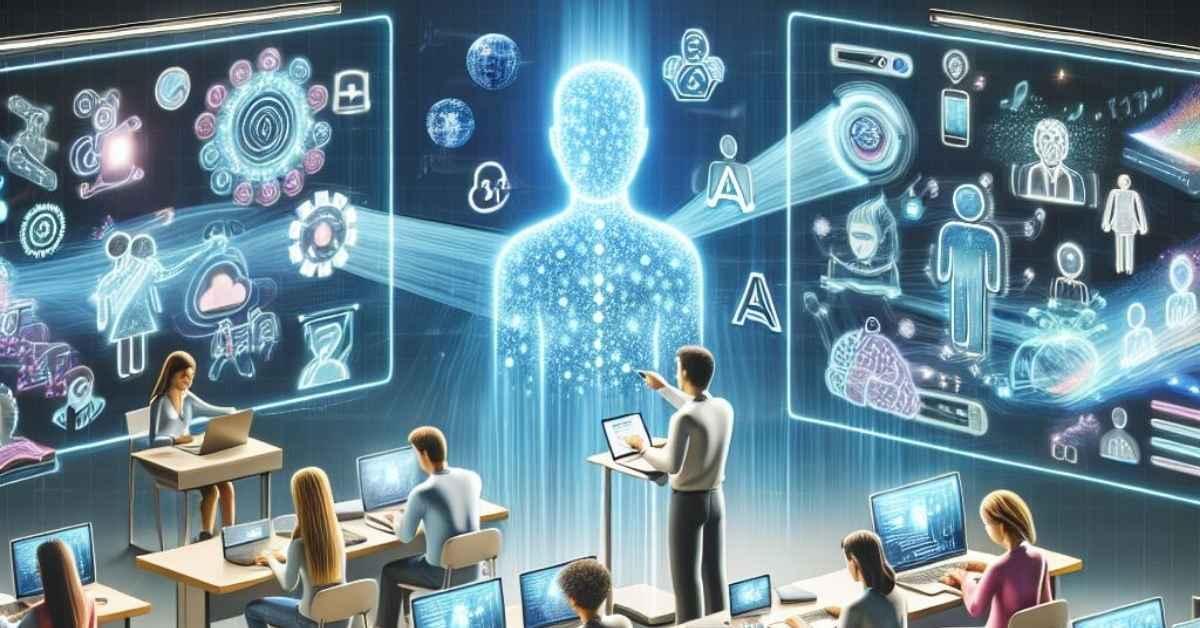
Higher education is currently experiencing one of the most significant transformations in its history. Across universities worldwide, Artificial Intelligence is rapidly changing how students learn and educators teach.
Explore how Artificial Intelligence is transforming higher education, reshaping classrooms, empowering lecturers, and redefining the future of learning in universities worldwide.
The Day the Classroom Began to Change
Higher education is currently experiencing one of the most significant transformations in its history. Across universities worldwide, Artificial Intelligence (AI) is rapidly changing the way students learn, educators teach, and institutions operate. What once seemed like a futuristic concept is now becoming an integral part of modern academic environments.
From AI-powered tutoring systems to automated assessments and personalized learning platforms, universities are embracing digital innovation at an unprecedented pace. As this transformation accelerates, an important question continues to emerge within academic discussions:
Will future classrooms still need human lecturers?
While some fear that AI may eventually replace educators, the reality is far more balanced. Artificial Intelligence is not replacing lecturers; instead, it is reshaping the educational experience and redefining the role of educators in the digital age.
AI as a Tool for Academic Enhancement
Traditionally, lecturers spend a considerable amount of time managing repetitive academic tasks such as grading, preparing assessments, tracking attendance, and answering routine student inquiries. AI technologies are now capable of assisting with many of these responsibilities efficiently and accurately.
Modern AI systems can:
- Generate quizzes and assignments
- Provide instant feedback
- Analyze student performance data
- Detect plagiarism
- Recommend personalized learning materials
- Support students through virtual academic assistants
As a result, educators can dedicate more time to meaningful academic responsibilities such as mentoring students, facilitating discussions, encouraging critical thinking, and conducting research.
Rather than reducing the importance of lecturers, AI has the potential to enhance teaching effectiveness and improve the overall learning experience.
The Emergence of Smart Learning Environments
The traditional classroom is evolving into what many experts describe as a “smart learning environment.” These classrooms integrate advanced technologies that make education more interactive, personalized, and accessible.
Today’s students are part of a digitally connected generation. They expect flexibility, instant access to information, and engaging learning experiences. Universities are therefore introducing technologies such as:
- AI-powered learning management systems
- Virtual laboratories
- Interactive simulations
- Real-time performance analytics
- Adaptive learning platforms
These tools allow educators to identify students who may require additional support and provide personalized guidance based on individual learning needs.
For example, if a student struggles to understand a specific engineering concept, AI systems can automatically recommend additional exercises, videos, or simplified explanations. This personalized approach helps improve student engagement and academic performance.
Why Human Lecturers Remain Essential
Despite the remarkable capabilities of Artificial Intelligence, there are aspects of education that technology cannot replace.
Education is not only about delivering information; it is also about inspiring students, building confidence, and shaping future professionals. Human lecturers contribute emotional intelligence, mentorship, ethical guidance, and real-world experience that AI systems cannot fully replicate.
Great educators:
- Motivate students to think critically
- Encourage creativity and innovation
- Understand emotional and social challenges
- Build meaningful academic relationships
- Inspire lifelong learning
Students often remember educators who influenced their confidence, ambitions, and career paths—not simply the information presented during lectures.
This highlights an important reality:
The future of education will depend on collaboration between human intelligence and artificial intelligence, not competition between them.
Challenges Universities Must Address
Although AI presents significant opportunities, it also introduces important academic and ethical challenges.
One major concern is academic integrity. Students now have access to advanced AI tools capable of generating essays, solving technical problems, and even producing programming code within seconds. This raises important questions regarding originality, assessment methods, and authentic learning.
Universities must therefore develop clear policies regarding the responsible use of AI in education. Instead of completely restricting AI technologies, institutions should focus on teaching students how to use these tools ethically and effectively.
Another challenge involves adaptation. Some institutions continue to rely heavily on traditional teaching models despite rapid technological advancement. However, modern students increasingly expect:
- Interactive learning experiences
- Digital integration
- Flexible access to educational resources
- Technology-driven teaching methods
Universities that successfully combine academic excellence with technological innovation will be better positioned to meet future educational demands.
The Evolving Role of Educators
The role of lecturers is changing significantly in response to technological advancement. Future educators may serve not only as instructors, but also as:
- Mentors
- Learning facilitators
- Digital content creators
- Research innovators
- Academic advisors
In this evolving educational landscape, lecturers who embrace technology will have a greater ability to engage students and enhance learning outcomes.
As information becomes increasingly accessible online, the value of educators will extend beyond content delivery. Students will continue to rely on lecturers for guidance, professional insight, critical analysis, and intellectual development.
In many ways, AI may actually increase the importance of educators by allowing them to focus more on human-centered aspects of teaching and learning.
Conclusion
Artificial Intelligence is not replacing higher education; it is transforming it.
Universities around the world are entering a new era where technology and human expertise must work together to create more effective, inclusive, and innovative learning environments. While AI can enhance efficiency and personalize education, it cannot replace the inspiration, mentorship, and human connection provided by exceptional educators.
The future classroom may include intelligent systems, automated learning platforms, and advanced digital tools, but it will still require passionate lecturers who can inspire students, encourage critical thinking, and guide future generations toward meaningful success.
In the age of Artificial Intelligence, the true strength of higher education will not lie in technology alone, but in the ability of educators and institutions to combine innovation with humanity.
Ms. Ameera Hydrose
Gulf University
Last Updated: 30 May 2026