June 17, 2026
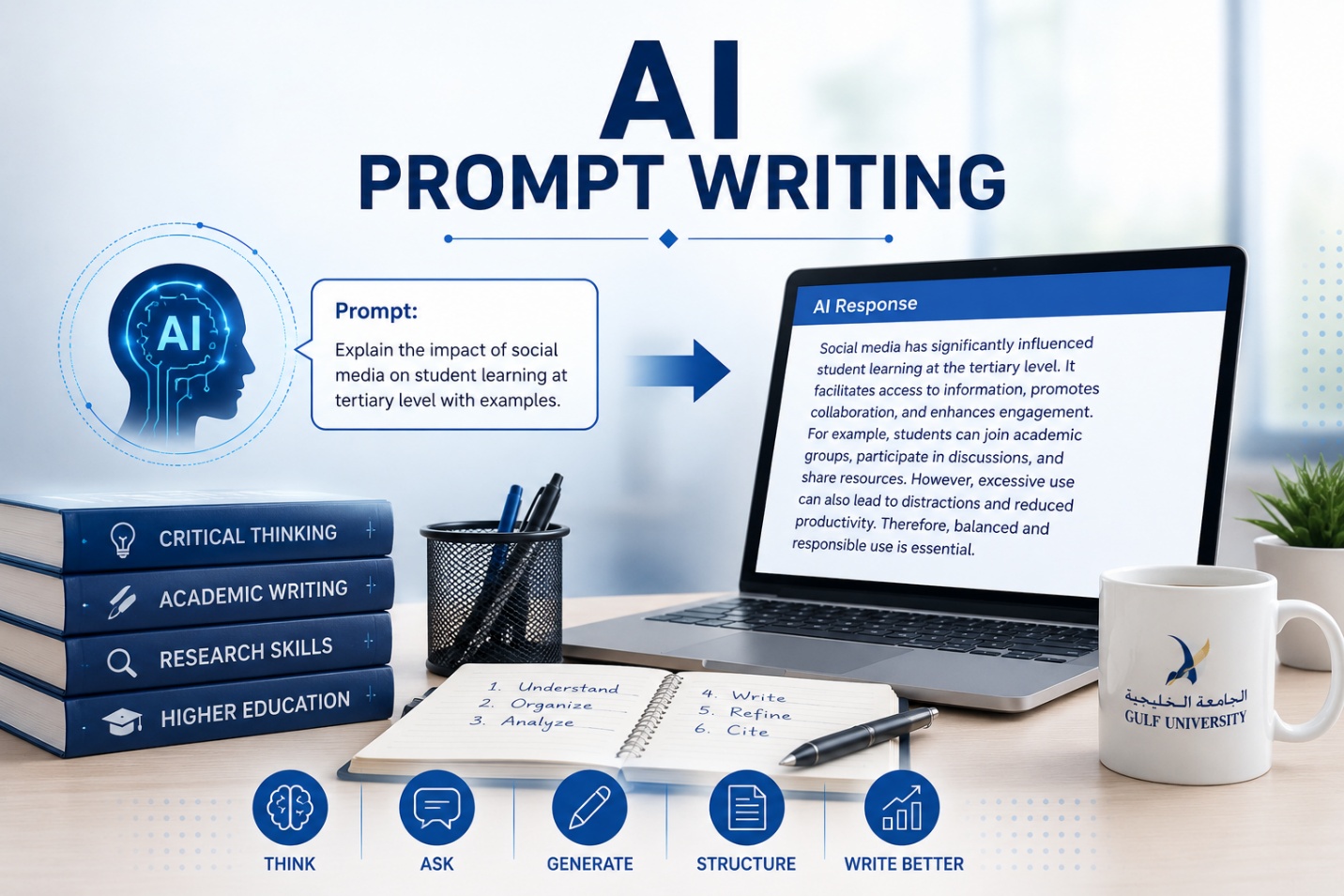
From Prompt to Paragraph: How AI Prompt Writing Enhances Academic Writing at the Tertiary Level
Dr. Abdul Qadeer

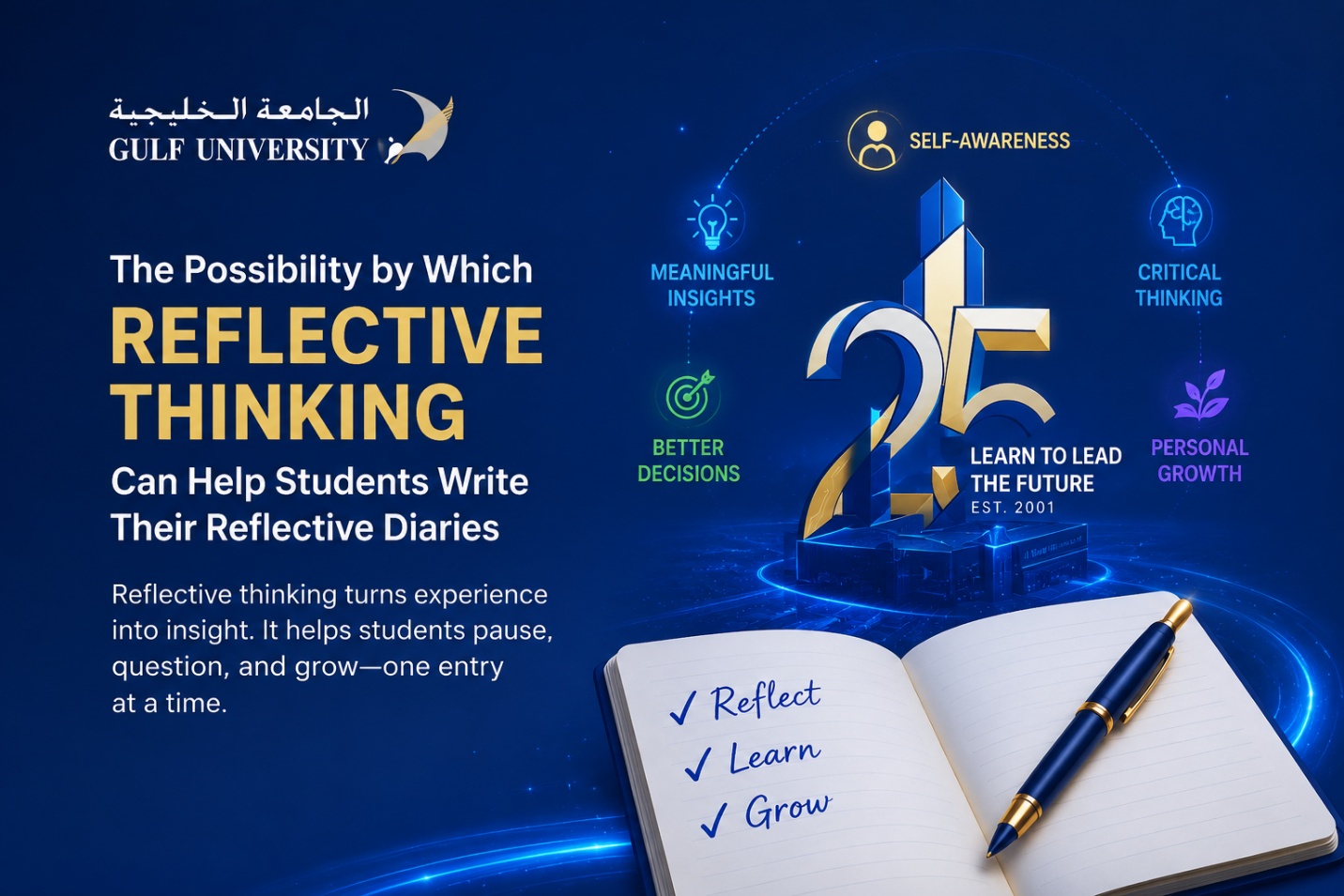
Reflective diary writing has long nurtured critical thinking and self-awareness. With the emergence of Artificial Intelligence, students now have a reflective partner that can enhance the quality, depth, and consistency of their reflective writing.
In today’s rapidly evolving educational landscape, students are expected not only to acquire knowledge but also to develop the ability to think critically, evaluate experiences, and learn from them. One of the most effective ways to achieve this is through reflective thinking, a process that encourages learners to examine their experiences, actions, emotions, and outcomes in a meaningful way. Reflective diary writing has long been recognized as a valuable educational practice for nurturing this skill. With the emergence of Artificial Intelligence (AI), students now have additional support that can enhance the quality, depth, and consistency of their reflective writing.
Reflective thinking is the deliberate process of analyzing experiences to gain deeper understanding and improve future actions. Rather than simply describing what happened, reflective thinkers ask questions such as:
This process encourages students to move beyond surface-level observations and develop self-awareness, critical thinking, and lifelong learning skills. Reflective thinking transforms experiences into valuable learning opportunities.
A reflective diary serves as a personal learning journal where students document their experiences, thoughts, feelings, and lessons learned. Whether students are participating in classroom activities, internships, research projects, clinical practice, or community engagement programs, reflective diaries provide a structured space for meaningful reflection.
Reflective diaries help students:
However, many students struggle with reflective writing because they are uncertain about how deeply they should analyze their experiences or how to organize their thoughts effectively. This is where reflective thinking and AI can work together to improve the learning process.
Reflective diary writing is essentially the written expression of reflective thinking. The quality of a reflective diary depends largely on the student’s ability to think critically about experiences.
When students engage in reflective thinking before writing, they are more likely to:
Without reflective thinking, diary entries often become descriptive accounts that simply report events. In contrast, reflective thinking transforms diary entries into analytical narratives that demonstrate learning, growth, and self-development.
For example, instead of writing:
“Today I gave a presentation in class. It went well.”
A reflective thinker might write:
“Today I gave a presentation in class. Although I was initially nervous, I became more confident as I progressed. I realized that thorough preparation helped reduce my anxiety. However, I noticed that I spoke too quickly during certain sections. In future presentations, I will focus on pacing and audience engagement to improve my communication skills.”
The second example demonstrates deeper reflection, learning, and future planning.
Artificial Intelligence is increasingly becoming a valuable educational companion. When used responsibly, AI can support students in developing stronger reflective thinking and writing skills.
Many students struggle to know where to begin. AI can provide thought-provoking questions that encourage deeper reflection, such as:
These prompts guide students toward more meaningful analysis.
AI can help students organize their reflections into logical sections, including:
This structure ensures that reflections remain coherent and comprehensive.
AI tools can assist with grammar, sentence clarity, vocabulary enhancement, and readability. Students can focus more on critical thinking while receiving support for technical writing aspects.
Rather than simply correcting language, AI can challenge students to think more deeply by asking follow-up questions and identifying areas where analysis may be lacking. This encourages richer and more insightful reflections.
AI can help students review previous diary entries, identify recurring themes, and track personal growth over time. This longitudinal perspective strengthens self-awareness and motivates continuous improvement.
While AI offers significant advantages, it should not replace the student’s own voice and experiences. Reflective diaries are personal learning documents that capture genuine thoughts, emotions, and insights. The primary purpose is self-development, not content generation.
Students should view AI as a reflective partner rather than a substitute for reflection. The most effective approach is to use AI for guidance, brainstorming, feedback, and language support while ensuring that personal experiences and interpretations remain authentic.
Educators also play an important role in teaching students how to use AI ethically and responsibly. When students combine their own reflective thinking with AI-assisted support, they can develop stronger analytical skills while maintaining academic integrity.
Reflective thinking and reflective diary writing are closely connected processes that foster deeper learning, self-awareness, and personal growth. Reflective thinking provides the foundation, while reflective diaries offer a practical means of documenting and analyzing experiences. The integration of Artificial Intelligence introduces exciting opportunities to enhance this process by providing prompts, feedback, organizational support, and writing assistance.
As higher education continues to embrace digital innovation, students who effectively combine reflective thinking with AI-supported learning will be better equipped to understand themselves, improve their performance, and become lifelong learners. Ultimately, AI does not replace reflection, it amplifies the learner’s ability to reflect, learn, and grow.
Reference: Action Research as a Tool for Pushing Pre-service Teachers’ Professional Attitude Forward in Minia University (2016). Minia University — Faculty of Education. 2016/4/21.
Dr. Abdul Qadeer
Gulf University, Bahrain
Last Updated: 29 Jun 2026