
Ocean Explorer: A Smart Underwater Robotic Prototype for Marine Exploration
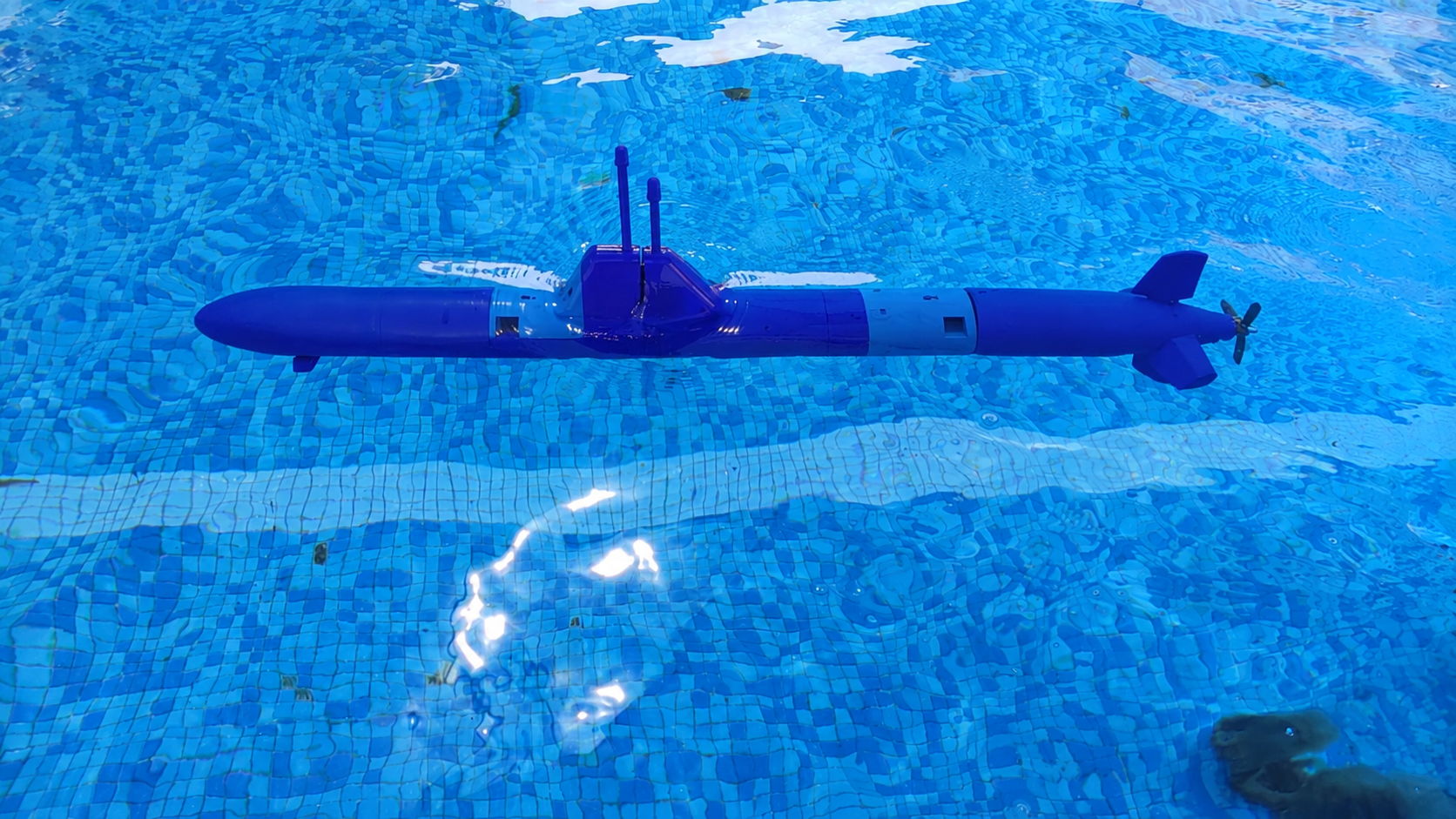
The future of marine exploration is becoming smarter, more autonomous, and more accessible through modern engineering technologies.
The future of marine exploration is becoming smarter, more autonomous, and more accessible through modern engineering technologies. The Ocean Explorer project represents an innovative underwater robotic prototype designed to support marine ecosystem monitoring, underwater research, and smart ocean exploration. Developed through a combination of mechanical design, embedded systems, and intelligent control technologies, the project demonstrates how engineering innovation can contribute to sustainable ocean research and environmental protection.
From Concept to Prototype
The Ocean Explorer submarine was fully designed using CAD software, specifically Fusion 360, to create a compact, lightweight, and hydrodynamic underwater structure. The design process focused on ensuring stability, waterproof protection, and efficient integration of all internal electronic components, including propulsion systems, sensors, and ballast mechanisms.
The prototype was manufactured using 3D printing technology, allowing rapid prototyping and modular assembly. This approach simplified maintenance, component replacement, and future system upgrades while reducing manufacturing cost and development time. The modular waterproof structure houses all electronic systems securely for underwater operation.
Intelligent Embedded System
At the heart of the system is the powerful ESP32 microcontroller, which manages all major submarine operations. The submarine integrates several key technologies to achieve underwater mobility and control:
- Brushless DC motor with ESC for propulsion
- Water pumps for ballast control
- Servo motors for steering and directional movement
- ADXL345 sensor for orientation and stability monitoring
- RC wireless communication system for remote control
- LiPo battery for portable power supply
The system combines embedded control, propulsion, navigation, and buoyancy management into a compact underwater robotic platform capable of performing controlled underwater missions.
How the Floating and Sinking System Works
One of the most important engineering features of the Ocean Explorer is its ballast control system. The submarine uses water pumps to regulate buoyancy:
- To sink: water is pumped into the ballast chamber, increasing the submarine’s density and weight.
- To float: water is pumped out, reducing the overall density and allowing the submarine to rise.
This mechanism mimics the operating principles used in real submarines while remaining simple, efficient, and suitable for educational and research applications.
Future Research and Innovation Opportunities
The Ocean Explorer project opens the door for several advanced research and development opportunities in marine technology and artificial intelligence.
- AI-based autonomous underwater navigation
- Sonar and underwater localization systems
- Real-time ocean mapping technologies
- Computer vision for marine life detection
- Advanced environmental monitoring sensors
- IoT-based cloud monitoring and data transmission systems
Supporting Sustainability and Innovation
The Ocean Explorer project strongly aligns with several Sustainable Development Goals (SDGs), including SDG 14 – Life Below Water, SDG 9 – Industry, Innovation and Infrastructure, SDG 13 – Climate Action, SDG 4 – Quality Education, and SDG 17 – Partnerships for the Goals. By integrating robotics, AI, embedded systems, and environmental research, the project demonstrates how engineering education can directly contribute to solving real-world environmental challenges.
Dr. Walid Elfezzani
Gulf University
Last Updated: 30 May 2026