April 8, 2026
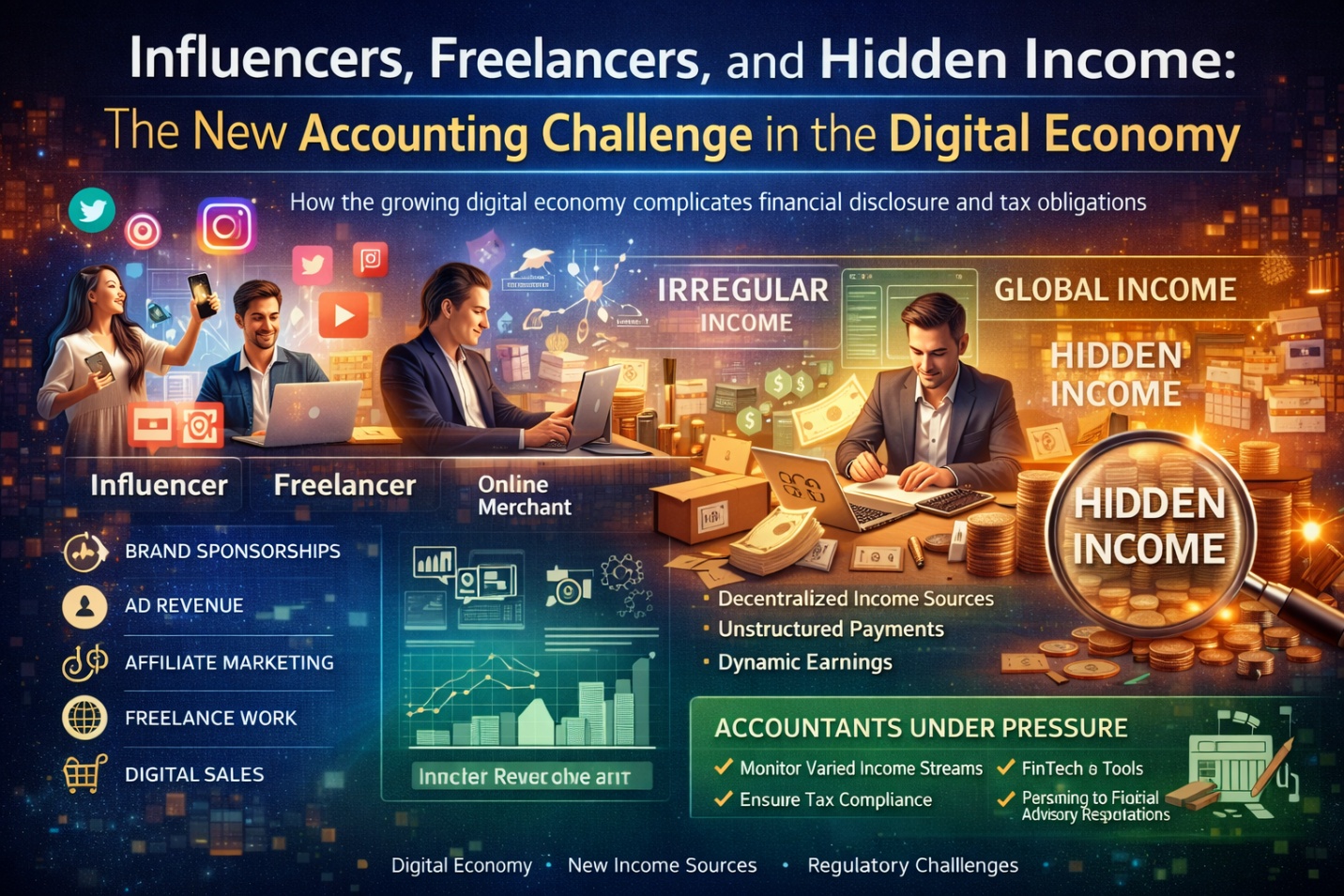
Influencers, Freelancers, and Hidden Income: The New Accounting Challenge in the Digital Economy
Dr. Mujeeb Saif

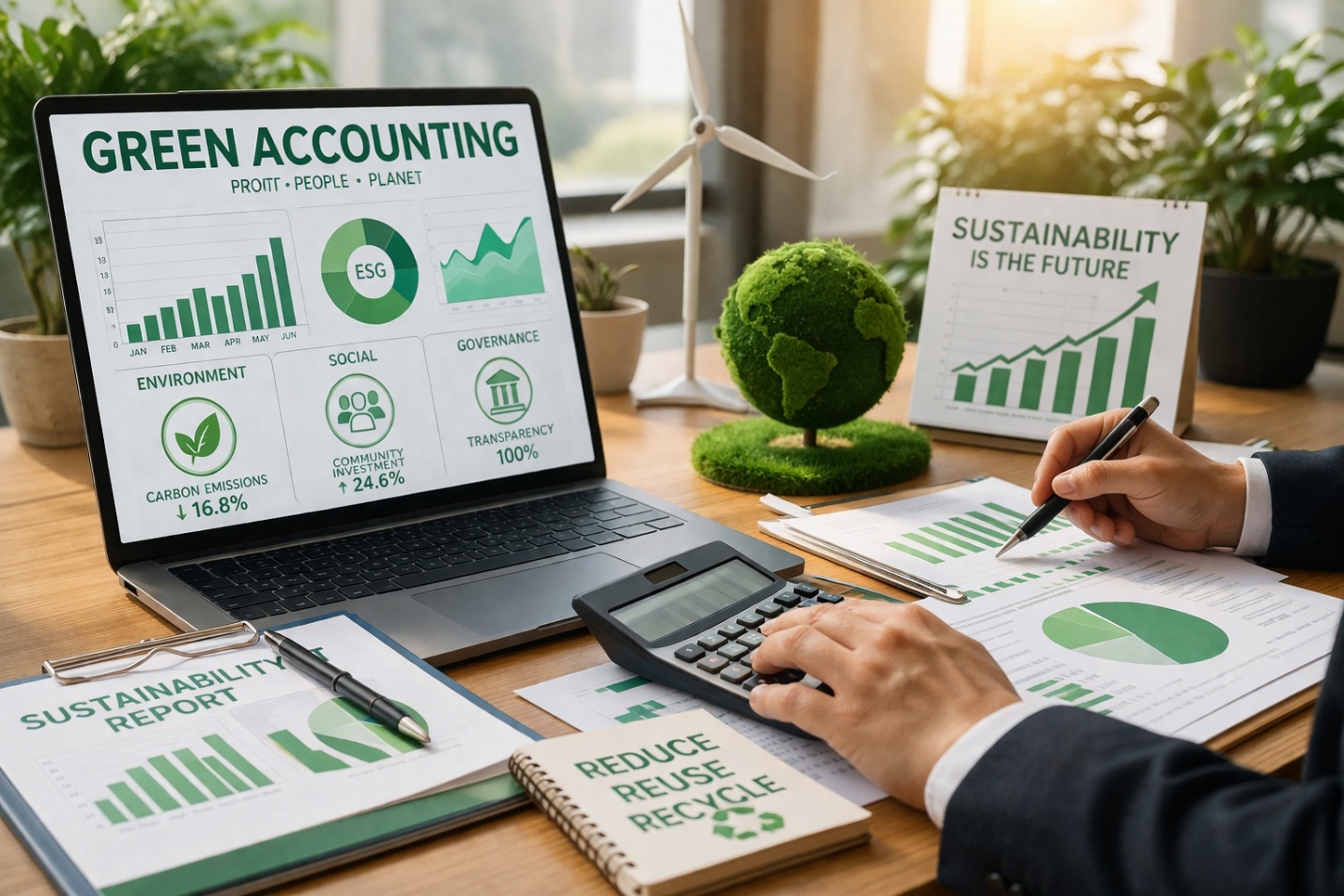
Discover how green accounting is transforming the way businesses measure success by integrating environmental responsibility into financial reporting and decision-making.
Today, businesses measure their success through more than just profit. Companies today require evaluation based their environmental and social effects which have become necessary assessment criteria. The emerging trend of Green Accounting has developed into a significant and fast-growing accounting discipline. Accountants now take on a new responsibility because climate change and environmental degradation and sustainability issues have become the main topics of global discussions to assess both financial results and environmental responsibility.
Green Accounting, which environmental accounting, requires businesses to include environmental expenses in their financial statements. The system requires organizations to monitor their expenditures for carbon emissions and waste disposal and resource usage and sustainability efforts. Green accounting enables businesses to assess their total environmental impact because it goes beyond traditional accounting methods that only measure financial transactions.
People who invest and eat food demand that businesses reveal their financial information to the public. Companies today need to demonstrate their duty to society and their environmental performance alongside their financial results which investors formerly used to evaluate their worth. The main reasons for green accounting development include these factors:
The company faces potential loss of trust and financial backing and market position because it chooses to disregard these elements.
Accountants are becoming vital partners for companies that need to create sustainability reports. Their role now extends beyond financial statements to include:
The shift changes accountants from their traditional roles to become consultants who help organizations make environmentally responsible choices.
Despite its importance, green accounting faces several challenges which include:
The existing challenges require better regulatory frameworks because the field demands more professional education.
For students specializing in accounting this trend creates new career possibilities. Sustainability reporting and ESG analysis represent the two fastest expanding fields in finance career development. Students should acquire knowledge about these areas to maintain their competitive edge:
The future accountant needs to become both a financial expert and a sustainability advocate.
Green accounting exists as a permanent change to business operations and performance assessment methods. The accounting profession will develop new methods to meet the requirements of global economic systems that now prioritize sustainability. Environmental impact information will become essential for complete financial reports in the upcoming years. Accountants will lead the development of a sustainable and transparent global economy through their essential duties.
The emergence of green accounting creates a new business environment which connects financial success with environmental sustainability. For aspiring accountants, this is an opportunity to be part of something bigger—contributing not only to business growth, but also to the well-being of the planet.
The question is no longer whether sustainability matters in accounting—but how quickly professionals can adapt to this new reality.
Dr. Mujeeb Saif
Gulf University
Last Updated: 09 Apr 2026