
Engineering Education in the Age of AI: Are Universities Preparing Students for the Real World?
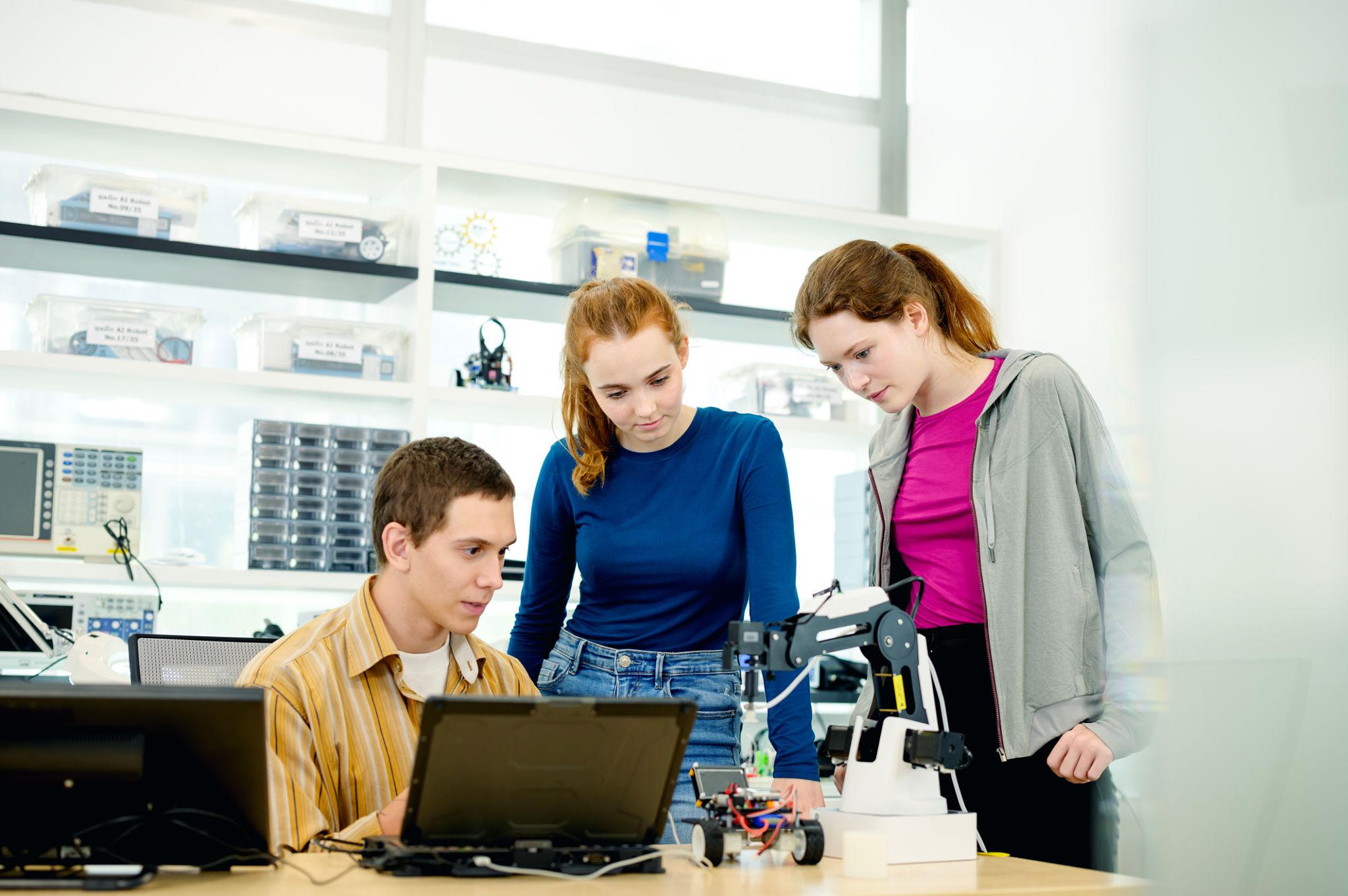
Engineering has always been closely connected to innovation and technological advancement. Today, the rise of Artificial Intelligence, automation, and Industry 4.0 is transforming the profession at an unprecedented pace.
Discover how Artificial Intelligence is transforming engineering education and why universities must rethink traditional teaching methods to prepare future engineers for Industry 4.0.
A New Era for Engineering Education
Engineering has always been closely connected to innovation and technological advancement. Today, however, the rise of Artificial Intelligence (AI), automation, and Industry 4.0 technologies is transforming the engineering profession at an unprecedented pace. Industries across the world are adopting intelligent systems, automation platforms, and data-driven technologies to improve efficiency and productivity. As a result, the expectations placed on engineering graduates are evolving rapidly.
This transformation raises an important question for universities worldwide:
Are engineering institutions truly preparing students for the future workplace?
Traditional engineering education has long focused on theoretical knowledge and technical problem-solving. While these foundations remain essential, the modern engineering industry now demands additional competencies, including digital literacy, adaptability, innovation, and the ability to work with emerging technologies.
Universities therefore face a significant responsibility in preparing students for an increasingly intelligent and technology-driven future.
The Transformation of Engineering Learning
For many years, engineering education relied heavily on conventional lectures, textbooks, and examination-based assessment methods. Although these approaches continue to play an important role, they are no longer sufficient on their own in today’s rapidly evolving technological environment.
Modern engineering students are entering industries shaped by Artificial Intelligence, automation, smart manufacturing, digital engineering systems, and advanced data analytics. Consequently, universities are gradually shifting toward more interactive and application-oriented learning environments.
Many institutions are now integrating simulation software, virtual laboratories, industry collaboration programs, and project-based learning into engineering curricula. These innovations help students connect theoretical concepts with practical engineering applications, improving both engagement and professional readiness.
This shift represents a broader transformation in higher education, where learning is becoming increasingly student-centered, technology-supported, and aligned with real industrial practices.
Why AI Is Becoming Essential in Engineering Education
Artificial Intelligence is no longer limited to computer science or software-related disciplines. AI technologies are now influencing nearly every branch of engineering, including mechanical, civil, electrical, industrial, and process engineering.
Industries currently use AI to optimize systems, improve efficiency, predict equipment failures, support intelligent design, and enhance operational performance. As these technologies continue expanding, engineering graduates who lack exposure to AI concepts may face challenges adapting to future workplace demands.
For this reason, universities should ensure that engineering students develop a foundational understanding of emerging technologies and digital tools alongside core engineering principles. The objective is not to replace traditional engineering knowledge, but rather to strengthen it through technological integration and innovation-oriented learning.
Bridging the Gap Between Academia and Industry
One of the most common concerns among employers is the gap between academic education and practical industry requirements. Many graduates possess strong theoretical understanding but limited experience applying knowledge in real engineering environments.
To address this issue, universities must place greater emphasis on practical exposure and industry engagement. Students benefit significantly from opportunities that allow them to experience real-world engineering challenges before graduation.
Practical learning environments encourage students to develop technical confidence, teamwork abilities, communication skills, and problem-solving capabilities. They also help students better understand how engineering concepts are implemented within professional settings.
Engineering is fundamentally a discipline based on solving practical problems. Therefore, educational approaches that connect classroom knowledge with industrial application are becoming increasingly important in preparing competent future engineers.
The Evolving Role of Engineering Educators
The role of engineering educators is also changing in response to technological advancement and modern learning expectations.
In the past, lecturers were primarily responsible for delivering technical information to students. Today, however, educators are increasingly expected to guide, mentor, and inspire students while helping them navigate a rapidly evolving technological landscape.
Modern engineering students have access to vast amounts of information through digital platforms and online resources. Consequently, the value of educators now extends beyond simply transferring knowledge. Effective educators help students understand complex concepts, connect theory with practice, encourage innovation, and develop professional thinking.
Lecturers who embrace modern educational technologies and adaptive teaching approaches will play a critical role in shaping the next generation of engineering professionals.
Preparing Engineers for the Future
One of the greatest challenges facing engineering education is the speed at which technology continues to evolve. Many technologies shaping industries today did not exist a decade ago, and future engineers will likely work in environments that continue changing throughout their careers.
As a result, universities must prepare students not only for current industry demands, but also for continuous learning and long-term adaptability.
Future engineers will require more than technical expertise alone. They must also develop critical thinking, innovation, flexibility, and the ability to adapt to new technologies and multidisciplinary work environments.
Universities that successfully combine academic excellence, technological integration, and practical exposure will be better positioned to produce graduates capable of leading future industrial transformation.
Conclusion
Engineering education is entering a transformative period shaped by Artificial Intelligence, digital technologies, and rapid industrial advancement.
To remain relevant in this evolving environment, universities must move beyond purely traditional teaching models and adopt more dynamic, technology-driven, and industry-focused educational approaches. At the same time, institutions must continue preserving the core values of engineering education, including analytical thinking, creativity, ethics, and problem-solving.
The engineers of tomorrow will not simply be technical specialists. They will be innovators, adaptive thinkers, and future leaders capable of working within increasingly intelligent and interconnected systems.
Ultimately, the future of engineering education will depend on how effectively universities prepare students not only to understand technological change, but also to lead it.
Ms. Ameera Hydrose
Gulf University
Last Updated: 30 May 2026