
Beyond Work-Life Balance: Why Supporting Faculty Well-Being Is the Next Competitive Advantage for Universities
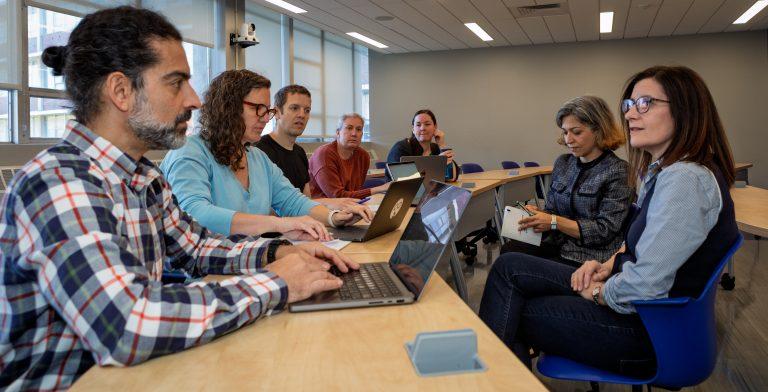
Faculty well-being is becoming a strategic priority in higher education. Discover why universities that invest in supportive academic environments are better positioned to foster innovation, excellence, and student success.
The Hidden Foundation of Academic Excellence
Universities are often evaluated through measurable indicators such as research productivity, graduate employability, international rankings, accreditation achievements, and innovation. These metrics undoubtedly reflect institutional success, yet they tell only part of the story. Behind every successful university is a community of educators whose dedication, expertise, and commitment shape the quality of teaching, research, and student development.
As higher education evolves in response to technological advancement, globalization, and changing student expectations, an equally important conversation is gaining momentum: faculty well-being.
For many years, discussions surrounding academic excellence have focused primarily on infrastructure, funding, and curriculum innovation. Today, however, educational leaders increasingly recognize that institutional excellence begins with supporting the people who deliver it. Faculty members who feel valued, supported, and empowered are more likely to inspire students, contribute to impactful research, and strengthen the academic community.
The Academic Profession Has Never Been More Demanding
The role of a university educator extends far beyond classroom teaching. Faculty members are expected to conduct research, supervise students, develop curricula, participate in accreditation activities, engage in community service, adopt emerging technologies, and contribute to institutional strategic goals.
Alongside these professional responsibilities, many academics also balance significant personal commitments. Among them are working parents who navigate family responsibilities while maintaining high professional standards.
This reality is no longer an individual challenge; it is an institutional consideration. Universities that acknowledge the evolving nature of academic work are better positioned to cultivate engaged faculty and sustainable academic excellence.
Moving Beyond Work-Life Balance
The concept of work-life balance has long been associated with higher education. However, a more meaningful perspective is emerging: work-life integration.
Rather than viewing professional and personal responsibilities as competing priorities, successful academic environments recognize that individuals perform at their best when both aspects of life are respected. A supportive institutional culture fosters trust, flexibility, collaboration, and mutual understanding, allowing educators to thrive professionally while maintaining personal well-being.
Such an environment benefits not only faculty members but also students, who are inspired by educators who are engaged, motivated, and fully present in the learning process.
Why Faculty Well-Being Matters for Student Success
The relationship between faculty well-being and student outcomes is often underestimated. Yet the connection is significant.
Educators who feel supported are more likely to create engaging learning experiences, mentor students effectively, embrace innovative teaching practices, and contribute positively to the academic environment. Their enthusiasm extends beyond the classroom, influencing research supervision, student confidence, and institutional culture.
Students may not remember every lecture they attend, but they remember educators who encouraged them to think critically, challenged them to grow, and believed in their potential.
Investing in faculty well-being is therefore an investment in student success.
Supporting Women in Academia Strengthens Universities
Women continue to make remarkable contributions across higher education as educators, researchers, mentors, and academic leaders. Many also balance demanding family responsibilities alongside their professional roles.
Creating an inclusive academic culture where women can pursue career growth while maintaining personal responsibilities is not simply a matter of equity—it is a strategic advantage.
Universities that cultivate inclusive workplaces benefit from diverse perspectives, stronger collaboration, improved staff retention, and richer academic communities. Supporting women throughout different stages of their careers helps institutions attract and retain exceptional talent while demonstrating a genuine commitment to inclusion.
Ultimately, when women succeed in academia, universities become stronger, more innovative, and better equipped to prepare graduates for an increasingly diverse world.
Building Universities of the Future
The universities that will lead the future are unlikely to be defined solely by advanced technology or modern facilities. They will be distinguished by cultures that place equal value on academic excellence and human well-being.
An institution’s greatest asset has always been its people. Laboratories, classrooms, and digital platforms are essential, but they achieve their full potential only when educators are empowered to perform at their best.
Supporting faculty well-being encourages creativity, strengthens collaboration, enhances institutional loyalty, and contributes to continuous improvement across teaching, research, and community engagement.
As higher education becomes increasingly competitive, institutional culture may prove to be one of the most significant differentiators.
Conclusion
The future of higher education depends not only on innovation in technology and curriculum but also on innovation in how universities support their academic communities.
Faculty well-being should no longer be viewed as an individual concern or an employee benefit. It is a strategic pillar of academic excellence, institutional resilience, and student success.
Universities that invest in supportive, inclusive, and people-centered environments create conditions where educators flourish, research prospers, and students receive the highest quality education.
The strongest universities are not simply those that produce outstanding graduates—they are those that first invest in the people who inspire them.
Ms. Ameera Hydrose
Gulf University
Last Updated: 12 Jul 2026